Marc Cain Ransomware Attack by Qilin (April 2026)
Unverified dark web claim. This report is based on a post observed on a dark web forum. Yazoul Security has not independently verified the authenticity of this claim.
Leak Site Screenshot
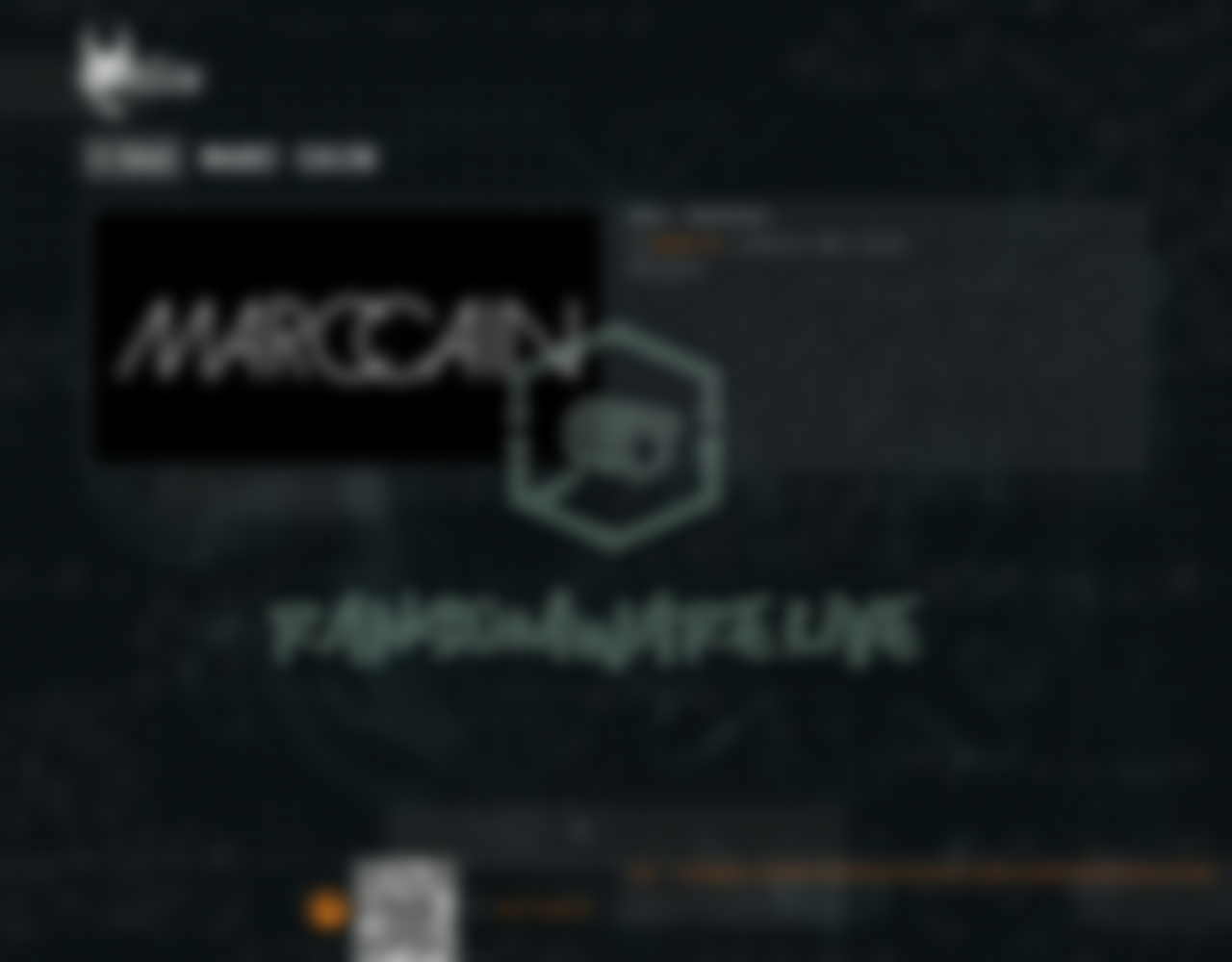
Screenshot captured at time of discovery. Image blurred to protect victim PII.
Claim Summary
On April 24, 2026, the Qilin ransomware group allegedly added German fashion retailer Marc Cain (www.marc-cain.com) to its dark web leak site. The claim, posted at 18:49 UTC, asserts that the threat actor successfully compromised the company’s network and exfiltrated data. As of this report, no sample files, data volume, or specific stolen information has been published. The claim remains unverified, and Marc Cain has not issued a public statement.
Threat Actor Profile
Qilin (also tracked as Agenda) is a sophisticated ransomware-as-a-service (RaaS) operation first observed in mid-2022. The group has allegedly claimed 1,617 victims to date, though this figure likely includes inflated or duplicate entries. Qilin is known for targeting organizations across multiple sectors, with a particular focus on consumer services, manufacturing, and healthcare.
The group’s technical arsenal is well-documented by multiple cybersecurity firms:
- Credential theft: Mimikatz for extracting credentials from memory
- Defense evasion: EDRSandBlast, PCHunter, PowerTool to disable security products
- Reconnaissance: Nmap and Nping for network scanning and lateral movement
- Exfiltration: EasyUpload.io and MEGA for data theft
- Propagation: Custom PowerShell scripts and, in some cases, VMware ESXi targeting via custom tools
Qilin’s credibility is moderate-to-high based on its track record. The group has consistently followed through on threats to publish data when ransoms are not paid. However, like most ransomware actors, Qilin may exaggerate the scale of an attack to pressure victims into negotiations.
Alleged Data Exposure
According to the leak site post, Qilin claims to have accessed Marc Cain’s internal systems and exfiltrated data. However, the group has not disclosed:
- The type of data allegedly stolen (customer records, financial documents, employee PII, intellectual property)
- The volume of data (listed as “Undisclosed”)
- Any proof-of-compromise (sample files, screenshots, or directory listings)
This lack of evidence is notable. While some ransomware groups post immediate proof to validate claims, Qilin has occasionally delayed publication to increase pressure. The absence of any data samples suggests either the attack is in early stages of extortion, or the claim is opportunistic.
Potential Impact
If the claim is verified, Marc Cain faces several risks:
- Customer data exposure: As a consumer-facing brand, the company likely holds customer names, addresses, payment information, and purchase histories. GDPR implications are significant given the company’s German registration.
- Operational disruption: Qilin’s encryption could disrupt e-commerce operations, inventory management, and supply chain logistics.
- Reputational damage: A confirmed breach could erode consumer trust, particularly in the privacy-conscious European market.
- Regulatory penalties: Under GDPR, failure to protect personal data could result in fines up to 4% of annual global turnover.
What to Watch For
- Leak site updates: Monitor Qilin’s leak site for any published data samples or a countdown timer indicating imminent data release.
- Marc Cain communications: The company may issue a formal statement, notify regulators, or confirm the incident via its website or social media.
- Dark web chatter: Watch for third-party threat actors attempting to sell or redistribute any alleged Marc Cain data.
- Detection guidance: Security teams should review Qilin’s known indicators of compromise (IOCs) and YARA rules. The group’s use of Mimikatz and EDRSandBlast is well-documented; organizations should audit for unusual credential dumping or security tool tampering. Trend Micro and Secureworks have published detailed detection rules for Qilin’s custom PowerShell and ESXi targeting tools.
Disclaimer
This report is based solely on an unverified claim posted by the Qilin ransomware group on a dark web leak site. Yazoul Security has not independently confirmed the breach, accessed any stolen data, or verified the identity of the threat actor. Ransomware groups routinely fabricate or exaggerate claims to pressure victims. All information should be treated as preliminary and subject to change upon verification. No PII, download links, or access credentials are included in this report. Organizations should not take action based solely on this intelligence without further investigation.
Never miss a threat intelligence alert
Get real-time security alerts delivered to your preferred platform.
Related Claims
Apothebeauty — qilin
Leone Film Group SpA — qilin
Clearwater Marine Aquarium — qilin
North Star Signs — qilin