LSM Lee Ransomware Attack by Qilin (May 2026)
Limited impact
Claim Risk Profile
Qilin ransomware group claims attack on Canadian manufacturer LSM Lee. Unverified data theft alleged. Learn about the threat and potential impact.
What to do
This claim is unverified. It comes from a post on a leak site or forum, and Yazoul has not confirmed it.
- If true, files taken from LSM Lee may be published, and staff, customers and partners could be targeted with phishing or fraud that uses them.
- If you deal with LSM Lee, wait for its own statement before acting, and treat unexpected messages that mention this incident with suspicion.
- The group behind the claim: qilin, 124 claims
Leak Site Screenshot
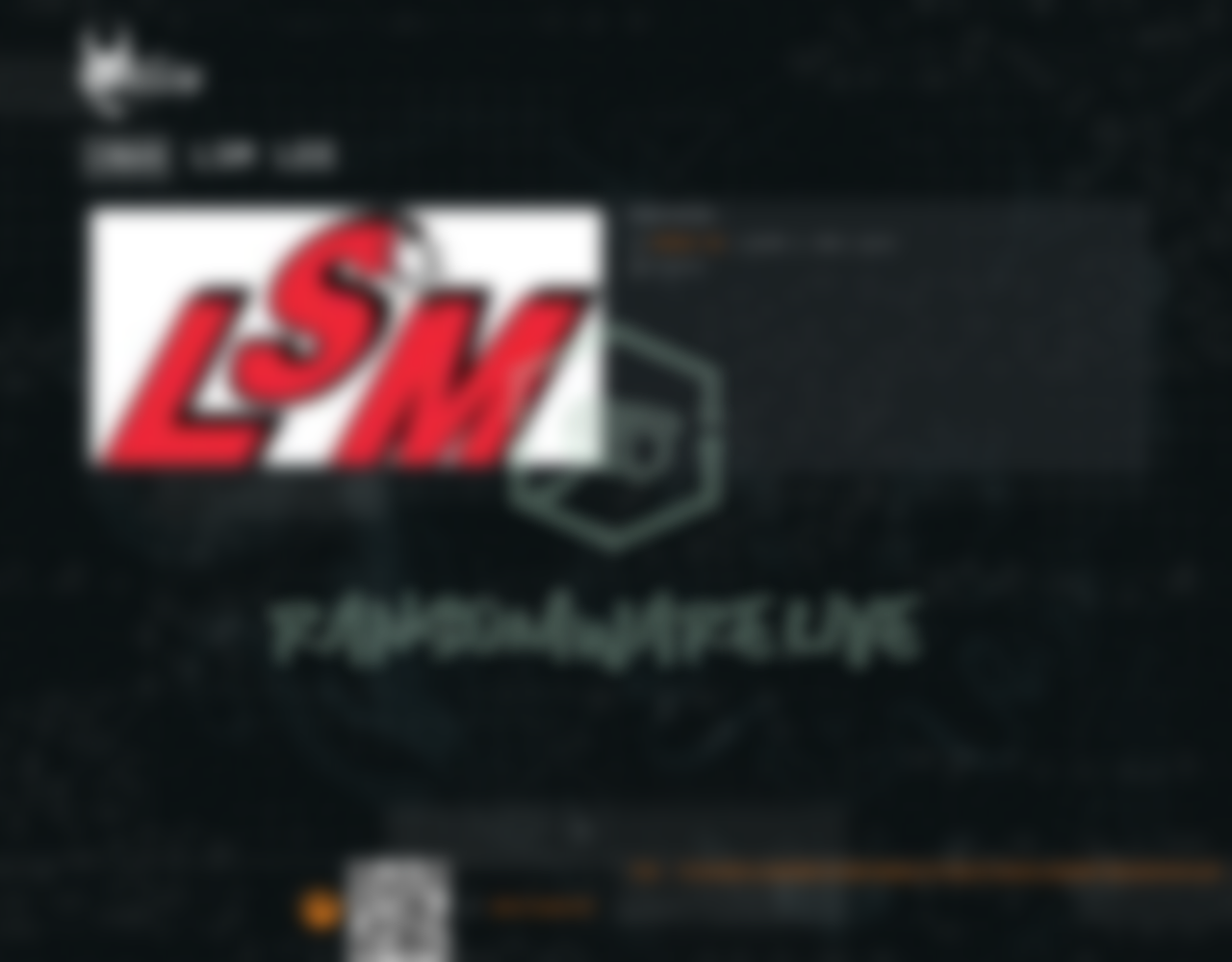
Screenshot captured at time of discovery. Image blurred to protect victim PII.
Claim Summary
On May 2, 2026, the Qilin ransomware group added LSM Lee to their dark web leak site, alleging a successful intrusion and data theft. LSM Lee (golsm.com) is a Canadian manufacturing firm. The group has not disclosed specific data types or volume, and no samples have been released. This claim remains unverified by Yazoul Security.
Threat Actor Profile
Qilin (also tracked as Agenda) is a ransomware-as-a-service operation active since 2022. The group is known for targeting manufacturing, healthcare, and technology sectors globally. Their typical modus operandi involves double extortion: encrypting systems and exfiltrating data to pressure victims into payment.
Qilin’s known toolset includes:
- Mimikatz: For credential theft from Windows systems.
- EDRSandBlast: To disable endpoint detection and response (EDR) solutions.
- PCHunter and PowerTool: For kernel-level process and driver manipulation.
- Nmap and Nping: For network reconnaissance and lateral movement.
- EasyUpload.io and MEGA: For exfiltration of stolen data.
The group’s credibility is moderate. While they have claimed numerous victims, independent verification of data theft is often lacking. Their reliance on publicly available tools suggests a lower sophistication level compared to groups like LockBit, but their persistence and operational security remain a concern.
Alleged Data Exposure
Qilin claims to have stolen data from LSM Lee but has not provided specifics. The data volume is undisclosed. Based on the group’s typical behavior, potential exposed data could include:
- Corporate financial records
- Employee personally identifiable information (PII)
- Manufacturing blueprints or proprietary designs
- Customer contracts and supply chain data
No YARA rules or specific detection guidance for Qilin are publicly available at this time. Organizations should monitor for indicators of compromise (IOCs) such as unusual network scans, credential dumping attempts, or EDR tampering.
Potential Impact
If the claim is substantiated, LSM Lee faces:
- Operational disruption: Encrypted systems could halt manufacturing processes.
- Reputational damage: Trust with clients and partners may erode.
- Regulatory exposure: Canadian privacy laws (e.g., PIPEDA) may require breach notification if employee or customer data is involved.
- Financial loss: Ransom demands, recovery costs, and potential legal fees.
The manufacturing sector is a frequent target due to its reliance on legacy systems and limited cybersecurity budgets. LSM Lee should prioritize incident response and forensic analysis.
What to Watch For
- Leak site updates: Qilin may release data samples or full archives to increase pressure.
- Phishing campaigns: Stolen data could be used for targeted phishing or social engineering.
- Lateral movement: If the intrusion is ongoing, other connected systems may be at risk.
- Public statements: LSM Lee may issue a formal disclosure or denial.
Disclaimer
This report is based on unverified claims from a ransomware group’s leak site. Yazoul Security has not independently confirmed the intrusion, data theft, or any related activity. All information should be treated as preliminary and subject to change. Do not access, download, or share any data from leak sites. For verified intelligence, contact Yazoul Security’s threat intelligence team.