ExpoCredit Ransomware Attack by Qilin (May 2026)
Unverified dark web claim. This report is based on a post observed on a dark web forum. Yazoul Security has not independently verified the authenticity of this claim.
Leak Site Screenshot
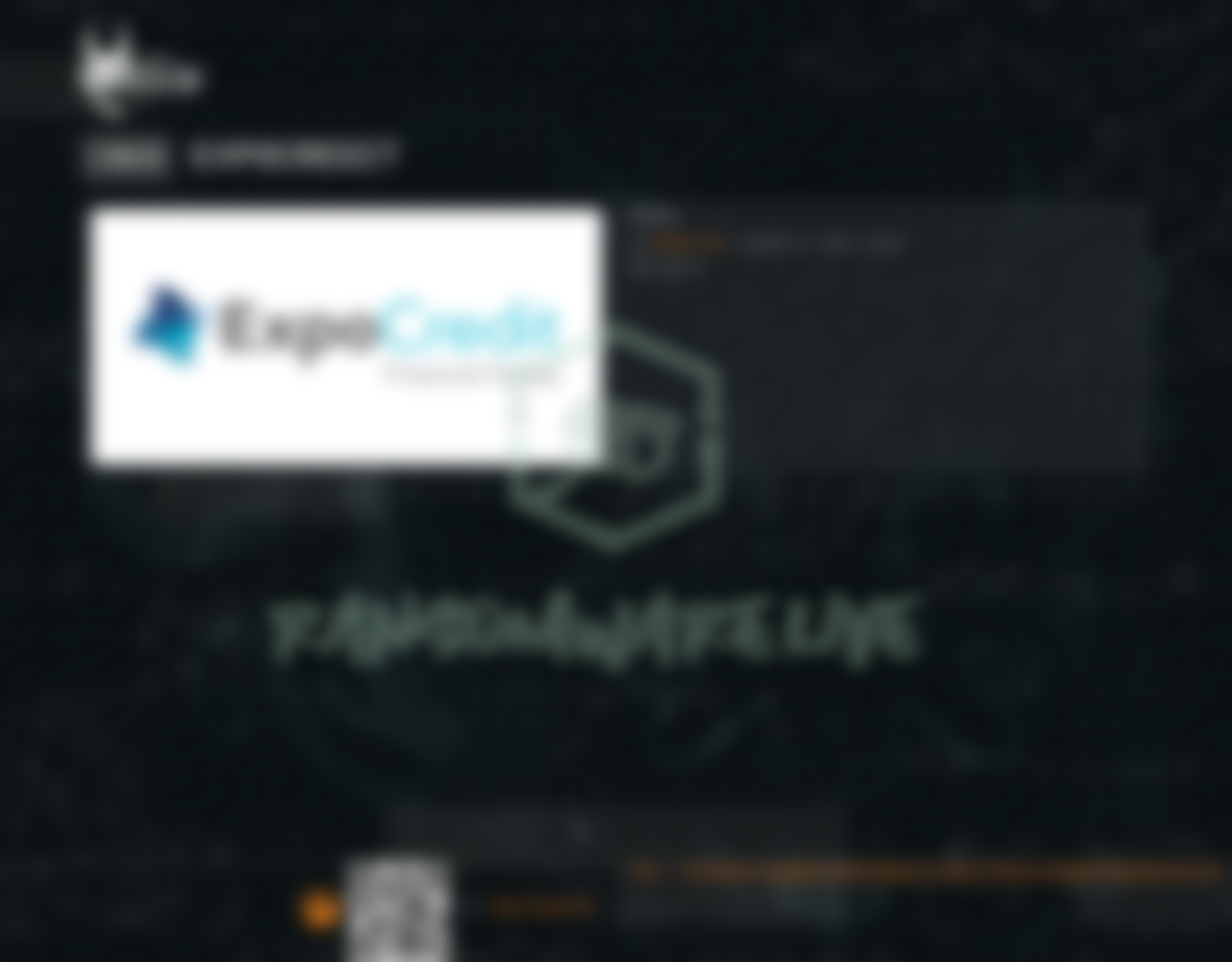
Screenshot captured at time of discovery. Image blurred to protect victim PII.
Claim Summary
On May 24, 2026, the Qilin ransomware group added ExpoCredit to their dark web leak site. The threat actor claims to have compromised the Czech financial services company, which operates at www.expocredit.com. As of this writing, no data samples or volume details have been published. The group has not provided a ransom deadline or negotiation status. This claim remains unverified by Yazoul Security.
Threat Actor Profile
Qilin (also tracked as Agenda) is a ransomware-as-a-service operation first observed in mid-2022. The group is known for targeting financial services, manufacturing, and healthcare organizations globally. Their typical modus operandi involves double extortion: encrypting systems and exfiltrating data before demanding payment.
Based on available intelligence, Qilin operators commonly deploy the following tools and techniques:
- Credential theft: Mimikatz for harvesting Windows credentials
- Defense evasion: EDRSandBlast to bypass endpoint detection, PCHunter and PowerTool for terminating security processes
- Network reconnaissance: Nmap and Nping for scanning internal networks
- Exfiltration: EasyUpload.io and MEGA cloud services for data theft
Qilin’s track record is mixed. While they have claimed numerous high-profile victims, independent verification of their data theft claims is often lacking. In several past incidents, the group has exaggerated the scale of stolen data or republished old breaches to pressure victims. Their credibility is moderate - they are not as prolific as LockBit or BlackCat, but they have demonstrated technical capability in confirmed attacks.
No public YARA rules or specific detection guidance for Qilin is currently available. However, organizations should monitor for the tools listed above and implement behavioral detection rules for credential dumping and process termination attempts.
Alleged Data Exposure
Qilin has not disclosed the type or volume of data allegedly stolen from ExpoCredit. The leak site entry contains only the victim’s name, domain, and attack timestamp. This lack of detail is unusual for Qilin, who typically post sample files or a data directory within days of a claim. This could indicate:
- The attack is in early stages and data is still being processed
- The group is bluffing to pressure a quick ransom payment
- The breach was limited in scope
Without samples or a data index, we cannot verify the nature of any exposed information. If data was taken, it may include customer financial records, transaction histories, internal communications, or employee PII - but this is speculative.
Potential Impact
If the claim is valid, ExpoCredit faces significant operational and reputational risks:
- Regulatory exposure: As a Czech financial services firm, ExpoCredit may be subject to GDPR and local banking regulations. A confirmed breach could trigger fines and mandatory notifications.
- Business disruption: Ransomware encryption could halt loan processing, customer portals, and internal systems.
- Customer trust: Financial data breaches erode confidence, potentially leading to account closures and revenue loss.
The financial sector is a high-value target for ransomware groups. Even if this claim is exaggerated, ExpoCredit should treat it as credible until proven otherwise.
What to Watch For
- Leak site updates: Qilin may post data samples or a full dump in the coming days. Monitor for any public release.
- Customer reports: Watch for phishing attempts or credential stuffing attacks targeting ExpoCredit customers, as stolen data is often sold or reused.
- Technical indicators: If Qilin deployed their known tools, network defenders should check for signs of Mimikatz, EDRSandBlast, or unusual MEGA uploads.
- Official statements: ExpoCredit has not yet commented. Any official communication should be treated as authoritative.
Disclaimer
This report is based solely on an unverified claim posted by the Qilin ransomware group on their dark web leak site. Yazoul Security has not independently confirmed the breach, data theft, or encryption of ExpoCredit systems. Ransomware groups frequently fabricate or exaggerate claims to coerce payments. All information herein should be treated as intelligence leads, not confirmed facts. Organizations should conduct their own due diligence and consult official sources before taking action.
Never miss a threat intelligence alert
Get real-time security alerts delivered to your preferred platform.
Related Claims
BNYH — qilin
J&D Financial — qilin
Genesis Credit Management — qilin
PNSB Insurance Brokers Sdn Bhd — qilin