Sidra Kuwait Hospital Ransomware Attack by Everest (May 2026)
Unverified dark web claim. This report is based on a post observed on a dark web forum. Yazoul Security has not independently verified the authenticity of this claim.
Leak Site Screenshot
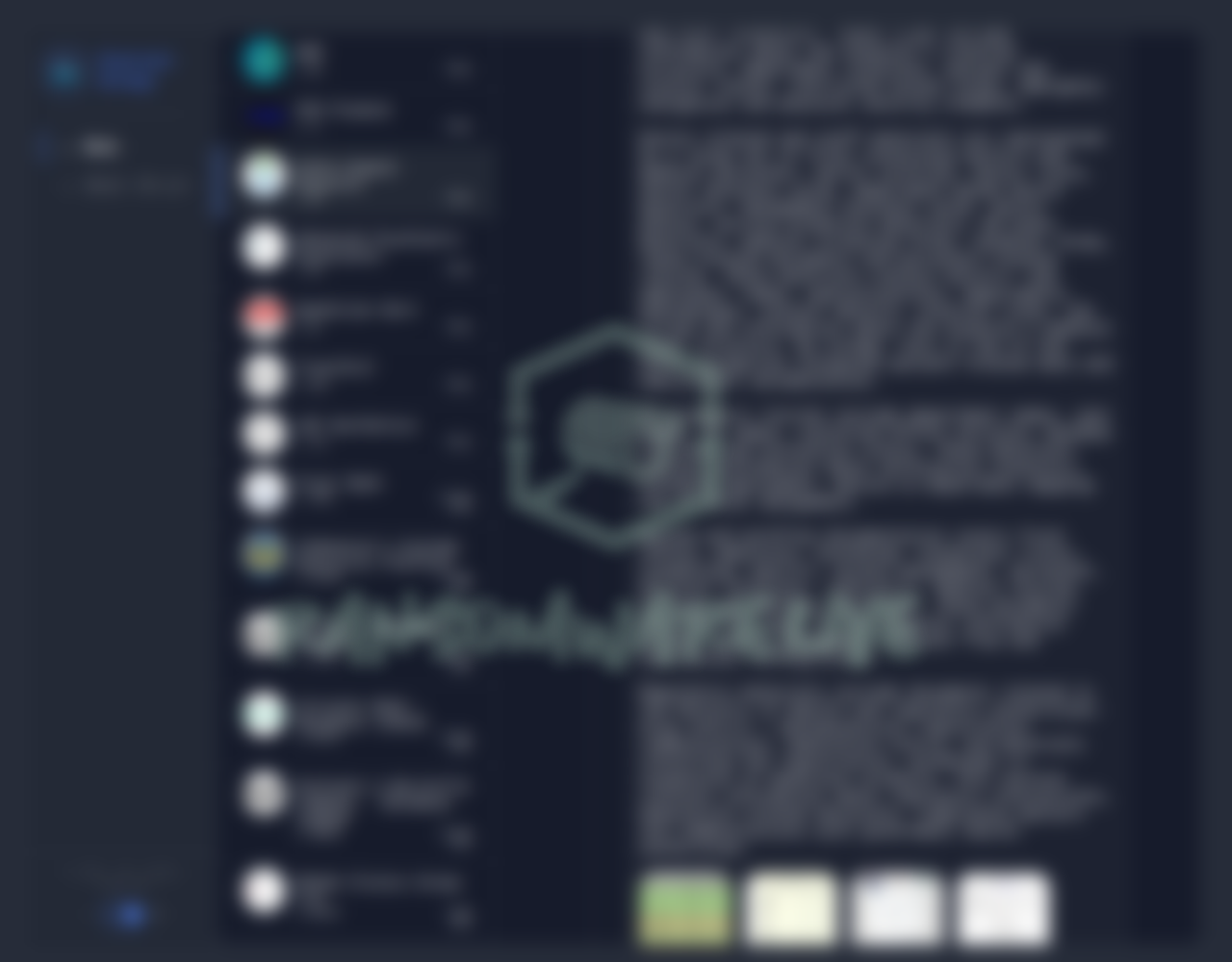
Screenshot captured at time of discovery. Image blurred to protect victim PII.
Claim Summary
The Everest ransomware group has allegedly claimed responsibility for a cyberattack against Sidra Kuwait Hospital, a private healthcare facility operating in Kuwait. According to the threat actor’s leak site post dated May 28, 2026, the group claims to have exfiltrated sensitive data from the hospital’s systems. The post describes Sidra Kuwait Hospital as a private healthcare provider offering diagnostics, outpatient consultations, and specialized treatments to both local residents and expatriates. The exact volume of data allegedly stolen has not been disclosed by the group. This claim has not been independently verified by Yazoul Security, and Sidra Kuwait Hospital has not publicly confirmed or denied the incident as of this writing.
Threat Actor Profile
The Everest ransomware group is a known threat actor operating in the cybercriminal ecosystem, though its track record is less established compared to larger groups like LockBit or BlackCat. The group has allegedly targeted organizations across multiple sectors, but public research on Everest remains limited, with no comprehensive threat intelligence reports available. Based on observed tooling, Everest operators have been associated with a range of post-exploitation and remote access tools, including:
- ProcDump: Used for credential dumping from process memory.
- SoftPerfect NetScan: Network scanning tool for reconnaissance.
- Cobalt Strike: Commercial adversary simulation framework used for command-and-control.
- Metasploit and Meterpreter: Open-source exploitation framework and payload delivery.
- AnyDesk, Atera, Splashtop: Legitimate remote monitoring and management (RMM) tools repurposed for persistence and lateral movement.
The group’s reliance on publicly available tools suggests a moderate level of sophistication, but the lack of consistent victim disclosures raises questions about the credibility of their claims. Ransomware groups frequently exaggerate or fabricate attacks to pressure victims into paying ransoms.
Alleged Data Exposure
The Everest group claims to have exfiltrated data from Sidra Kuwait Hospital, though the specific types of information compromised have not been detailed. Given the healthcare sector, potential data exposure could include:
- Patient medical records and treatment histories
- Personally identifiable information (PII) such as names, addresses, and national IDs
- Billing and insurance details
- Employee records and payroll data
- Internal operational documents
The group has not released any data samples or proof of exfiltration, which is atypical for established ransomware groups. This absence of evidence should be treated with skepticism.
Potential Impact
If the claim is verified, the impact on Sidra Kuwait Hospital could be significant:
- Regulatory Consequences: Kuwait’s healthcare sector is subject to data protection laws. A confirmed breach could result in fines and regulatory scrutiny.
- Patient Trust: Exposure of medical records could erode patient confidence in the hospital’s data security practices.
- Operational Disruption: Ransomware attacks often encrypt systems, leading to service outages and delayed patient care.
- Reputational Damage: Negative media coverage could harm the hospital’s standing in Kuwait’s competitive private healthcare market.
What to Watch For
- Official Confirmation: Monitor Sidra Kuwait Hospital’s official website and social media channels for a statement.
- Data Leak Samples: If Everest releases data samples, this would increase the credibility of their claim. Yazoul Security will update this report accordingly.
- Regulatory Notifications: Kuwait’s data protection authority may issue alerts or guidance.
- YARA Rules: At present, no YARA rules specific to Everest ransomware are publicly available. Detection guidance for their tooling (e.g., Cobalt Strike, Meterpreter) can be found in standard threat intelligence feeds.
Disclaimer
This report is based on unverified claims made by the Everest ransomware group on their leak site. Yazoul Security has not independently confirmed the attack, data exfiltration, or any associated impacts. Ransomware groups routinely exaggerate or fabricate claims to coerce victims into payment. Organizations should treat this information as preliminary and await official confirmation from Sidra Kuwait Hospital or relevant authorities. No PII, download links, or access credentials are included in this report. For more intelligence, visit Yazoul Security’s dark web monitoring section at /intel/.
Never miss a threat intelligence alert
Get real-time security alerts delivered to your preferred platform.
Related Claims
Morula IVF — everest
L&P Aesthetics — everest
Advanced Psychiatry Associates — everest
Rehab Clinics Group Ltd — everest