Trican Ransomware Attack by Qilin (June 2026)
Unverified dark web claim. This report is based on a post observed on a dark web forum. Yazoul Security has not independently verified the authenticity of this claim.
Leak Site Screenshot
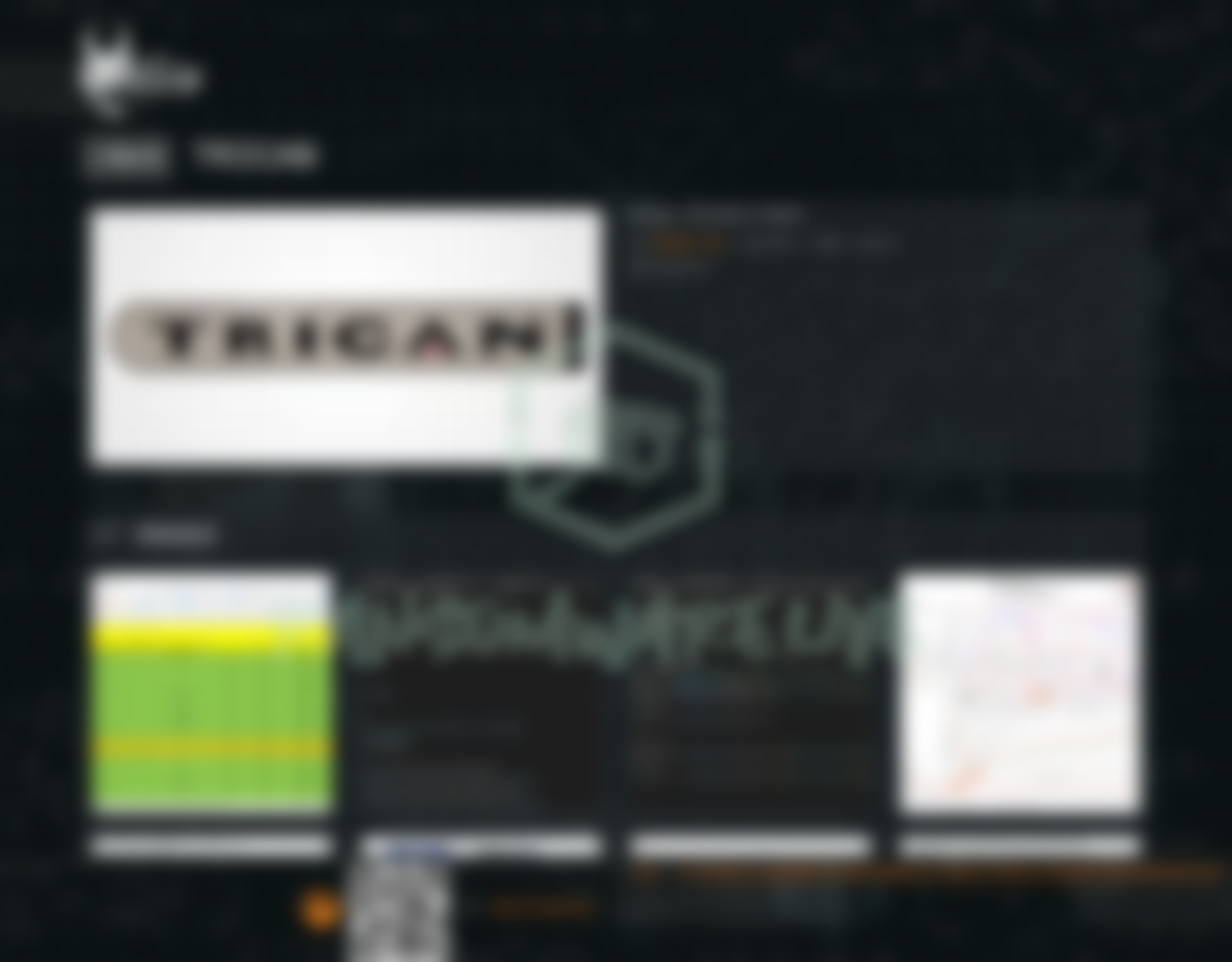
Screenshot captured at time of discovery. Image blurred to protect victim PII.
Claim Summary
On June 4, 2026, the Qilin ransomware group added Trican, a Canadian energy services company operating at www.tricanwellservice.com, to its dark web leak site. The threat actor claims to have exfiltrated an undisclosed volume of data from the organization, though no specific data samples or download links have been published at this time. This claim has not been independently verified by Yazoul Security. Trican has not issued a public statement regarding the alleged breach.
Threat Actor Profile
Qilin (also tracked as Agenda) is a ransomware-as-a-service (RaaS) group first observed in mid-2022. The group is known for targeting organizations across multiple sectors, including energy, manufacturing, and healthcare. Qilin’s typical modus operandi involves double extortion: encrypting victim systems while exfiltrating sensitive data, then threatening to publish the data unless a ransom is paid.
The group’s known toolset includes:
- Mimikatz: For credential dumping from Windows systems.
- EDRSandBlast: To disable endpoint detection and response (EDR) solutions.
- PCHunter and PowerTool: For process and kernel-level manipulation.
- Nmap and Nping: For network reconnaissance and lateral movement.
- EasyUpload.io and MEGA: For exfiltration of stolen data.
Qilin has historically demonstrated a moderate level of operational security and has successfully breached several high-profile targets. However, the group’s total known victim count remains undisclosed, making it difficult to assess its overall credibility. The claim against Trican should be treated with caution, as ransomware groups often exaggerate or fabricate incidents to pressure victims into payment.
Alleged Data Exposure
According to the leak site entry, Qilin claims to have stolen data from Trican, but no specific file types, data categories, or volume have been disclosed. The absence of published data samples or a countdown timer suggests the group may still be negotiating with Trican or gathering additional leverage. Common data types targeted in energy sector attacks include operational data, employee records, financial documents, and client contracts. However, without verified samples, the scope and sensitivity of the alleged exposure remain unknown.
Potential Impact
If the claim is valid, Trican could face significant operational and reputational consequences. As a Canadian energy services provider, Trican handles sensitive data related to drilling operations, client contracts, and employee information. A confirmed breach could lead to:
- Operational disruption: If encryption occurred, systems may be offline, affecting field operations and customer service.
- Regulatory scrutiny: Under Canadian privacy laws (e.g., PIPEDA), Trican may be required to notify affected individuals and regulators.
- Reputational damage: Clients and partners may question Trican’s cybersecurity posture, potentially impacting future contracts.
- Financial loss: Ransom demands, remediation costs, and potential legal liabilities could be substantial.
What to Watch For
- Leak site updates: Monitor Qilin’s leak site for any published data samples or a countdown timer indicating imminent data release.
- Trican’s official response: Watch for a press release or security advisory from Trican confirming or denying the incident.
- Industry alerts: Canadian energy sector partners and regulators may issue warnings or guidance.
- Detection indicators: Yazoul Security recommends reviewing Qilin’s known tools (e.g., Mimikatz, EDRSandBlast) in your environment. No public YARA rules are currently available for Qilin, but monitoring for unusual network traffic to EasyUpload.io or MEGA domains may be prudent.
Disclaimer
This report is based on unverified claims published by the Qilin ransomware group on a dark web leak site. Yazoul Security has not independently confirmed the breach, data exfiltration, or any associated details. Ransomware groups routinely exaggerate or fabricate incidents to pressure victims. Organizations should treat this information as intelligence leads only and verify through their own incident response channels. No PII, download links, or access credentials are provided in this report. For further guidance, visit Yazoul Security’s intel page at /intel/.
Never miss a threat intelligence alert
Get real-time security alerts delivered to your preferred platform.
Related Claims
MEISA - Sines — qilin
Brand X Hydrovac Services — qilin
Progressive Propane — qilin
Commonwealth Community Bank — qilin