BKV Vasúti Jármjavító Kft Ransomware Claim by Qilin (Nov 2026)
Unverified dark web claim. This report is based on a post observed on a dark web forum. Yazoul Security has not independently verified the authenticity of this claim.
Leak Site Screenshot
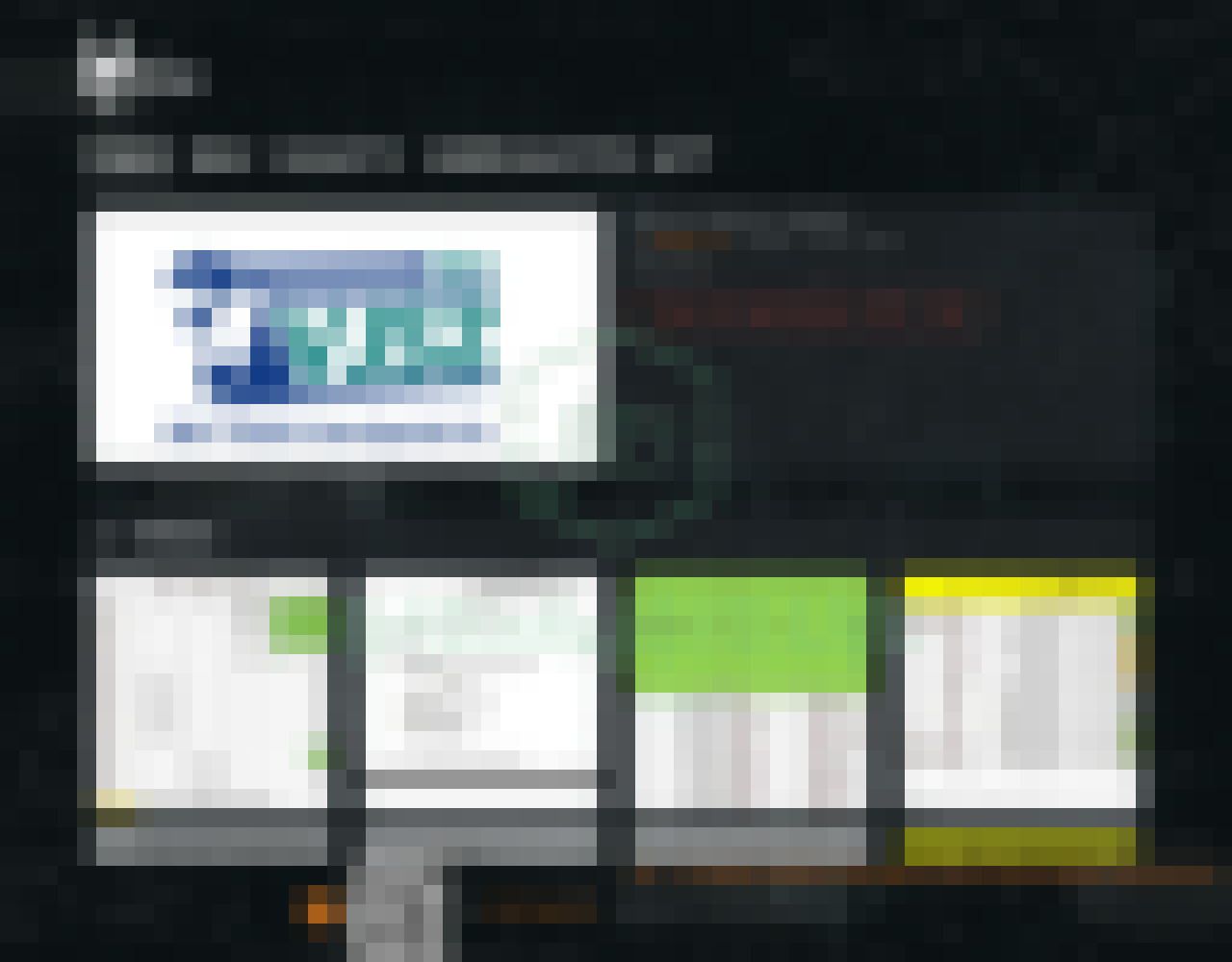
Screenshot captured at time of discovery. Image blurred to protect victim PII.
Claim Summary
On or around November 1, 2026, the ransomware group tracked as qilin allegedly added BKV Vasúti Jármjavító Kft (www.vjsz.hu), a Hungarian transportation-sector organization, to its dark web leak site. According to the threat actor, the company was listed as a victim following what the group claims was a successful intrusion. The group has not publicly disclosed the volume of data it purports to hold, and the “claimed data” field on the listing is empty. No data samples, file trees, or proof-of-compromise artifacts have been observed in connection with this claim at the time of writing.
This report is based solely on the unverified leak site listing. Yazoul Security has not independently confirmed that any breach occurred, nor that the listed organization was actually compromised.
Threat Actor Profile
qilin is a ransomware-as-a-service (RaaS) operation that has been active since approximately 2022 and is widely assessed by the security community as a rebrand or successor to the earlier Agenda ransomware family. The group is known for double extortion - encrypting victim systems while exfiltrating data and threatening publication - and has historically targeted a broad range of sectors including manufacturing, healthcare, finance, and transportation across North America, Europe, and Asia-Pacific.
Public reporting indicates qilin affiliates have used a mix of commodity and custom tooling, including Cobalt Strike and other legitimate remote-access tools for initial access and lateral movement, as well as custom encryptors compiled for Windows and, in some campaigns, ESXi environments. The group has been observed exploiting known vulnerabilities and using valid credentials obtained through phishing and infostealers. Affiliates operate with a degree of autonomy under the RaaS model, so tooling and tactics can vary between incidents.
No public research specific to this listing is available, and the group’s total victim count is not reliably established. Detection guidance for qilin-associated activity generally centers on monitoring for Cobalt Strike beacon behavior, anomalous ESXi command execution, mass file-encryption patterns, and unusual access to backup infrastructure. Organizations should validate any available YARA or Sigma rules against their environment rather than relying on group-specific signatures alone.
Alleged Data Exposure
The threat actor has not stated what data it purportedly exfiltrated, nor how much. The listing reportedly shows no data volume and no supporting evidence. This is a notable gap: many qilin listings include sample files or a stated data size to pressure victims. The absence of such detail here means there is currently no basis to assess the scope, sensitivity, or authenticity of any alleged data exposure. Any claims of stolen records should be treated as unsubstantiated until corroborated.
Potential Impact
If the claim is accurate, a transportation-sector maintenance organization could face operational disruption, exposure of internal business or employee information, and reputational harm. Transportation entities can also face supply-chain and safety-adjacent concerns depending on what systems were purportedly affected. However, none of this is confirmed. Ransomware groups routinely exaggerate or fabricate claims to pressure victims into paying, and some listings are published before any real data is verified.
What to Watch For
- Independent confirmation from the organization or Hungarian authorities.
- Publication of verifiable proof-of-compromise artifacts by the actor.
- Follow-on activity such as data resale or further extortion attempts.
- Whether the listing is quietly removed, which can indicate a retraction or settlement.
Disclaimer
This report reflects an unverified claim published on a ransomware group’s leak site. Yazoul Security has NOT independently verified that any breach, data theft, or encryption occurred. All statements attributed to the threat actor are allegations only. No PII, credentials, samples, or access details are included here by design. Treat this information as a lead for further investigation, not as confirmed fact.
Never miss a threat intelligence alert
Get real-time security alerts delivered to your preferred platform.