Unilever Ransomware Claim by Whitearmor (Nov 2026)
Unverified dark web claim. This report is based on a post observed on a dark web forum. Yazoul Security has not independently verified the authenticity of this claim.
Leak Site Screenshot
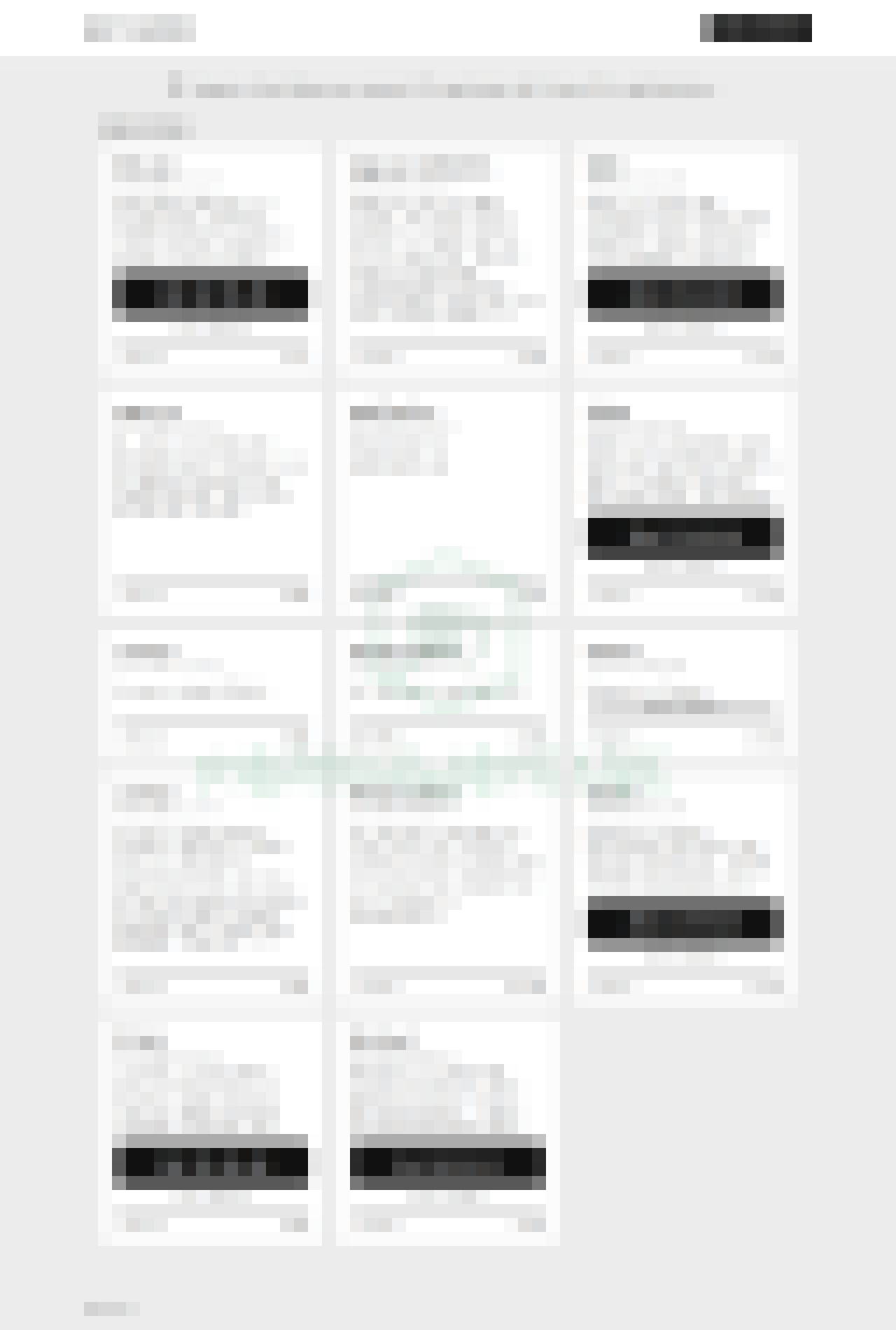
Screenshot captured at time of discovery. Image blurred to protect victim PII.
Claim Summary
On or around November 4, 2026, a ransomware group calling itself Whitearmor allegedly posted Unilever to its dark web leak site. Unilever is a British multinational consumer goods company headquartered in London, with a portfolio of more than 400 brands including Dove, Knorr, Hellmann’s, and Rexona, operating across beauty, personal care, home care, and foods in roughly 190 countries.
According to the threat actor, the group claims to hold a substantial trove of internal records, including what it describes as 665K contacts, 5.5K “OTM” accounts with roles and logins, 14M locations, 3.8M shipments, 229M status records, 13.8K invoices, and 838K distributor loyalty profiles and ledgers. Whitearmor purports that the total dataset is approximately 79 gigabytes across 1.8 million files spanning three regions.
The group further claims a ransom demand of $15,000,000 in Bitcoin. None of these figures have been independently confirmed, and the underlying data has not been verified by Yazoul Security or any third party.
Threat Actor Profile
Whitearmor is a relatively low-profile ransomware operation with no established public research footprint at the time of writing. Yazoul Security has no confirmed victim count, no documented tooling, and no published YARA rules or detection signatures attributable to this group. This absence of a track record is itself a significant credibility caveat.
Because the group’s known tools and tactics are undocumented, defenders should not assume any specific initial access vector, encryption routine, or exfiltration method. The claim references “OTM accounts with roles and logins,” which, if genuine, would suggest access to identity or operational management systems, but this remains unverified. Organizations should treat the group as an unknown quantity and apply general ransomware resilience controls rather than signature-specific defenses. No detection guidance is currently available from public sources.
Alleged Data Exposure
The actor’s description of the data is unusually broad for a manufacturing-sector victim, spanning contact records, shipment and logistics data, invoice records, and distributor loyalty ledgers. If accurate, such a combination could include business contact information, operational logistics details, and commercial relationship data.
Yazoul Security has not seen, reviewed, or validated any of the claimed data. We do not publish samples, download links, credentials, or access instructions, and none are included here. The claimed volume of 79GB and 1.8 million files is asserted solely by the threat actor and should be treated with skepticism. Ransomware groups frequently inflate data volumes and record counts to increase pressure on victims.
Potential Impact
If the claim is genuine, potential impacts could include exposure of business contact and commercial relationship data, disruption or embarrassment tied to logistics and shipment records, and reputational risk for a consumer-facing brand portfolio. Supply chain partners and distributors could face secondary risk if loyalty and ledger data were exposed.
However, these are hypothetical scenarios based on unverified actor claims. There is no confirmation of data authenticity, exfiltration, encryption, or operational disruption. A $15M demand against an organization of Unilever’s scale is notably low relative to typical enterprise extortion figures, which may indicate either an opportunistic operation or an attempt to pressure a quick settlement.
What to Watch For
- Official statements from Unilever or its regulators confirming or denying any incident.
- Whether the leak site posting is updated, removed, or escalates with data samples.
- Any notification from Unilever to distributors, suppliers, or partners.
- Authentication anomalies or credential-stuffing activity tied to exposed accounts, if claims prove credible.
- Follow-on phishing referencing the alleged breach.
Disclaimer
This report is based entirely on an unverified claim published by a ransomware group on its leak site. Nothing in this article has been independently verified by Yazoul Security. The organization has not confirmed the incident, the data, or the ransom demand. All details should be treated as allegations until corroborated by official sources. For related coverage, see our news and advisory sections.
Never miss a threat intelligence alert
Get real-time security alerts delivered to your preferred platform.