Safety Engineering Labs Hit by Qilin Ransomware (Apr 2026)
Unverified dark web claim. This report is based on a post observed on a dark web forum. Yazoul Security has not independently verified the authenticity of this claim.
Leak Site Screenshot
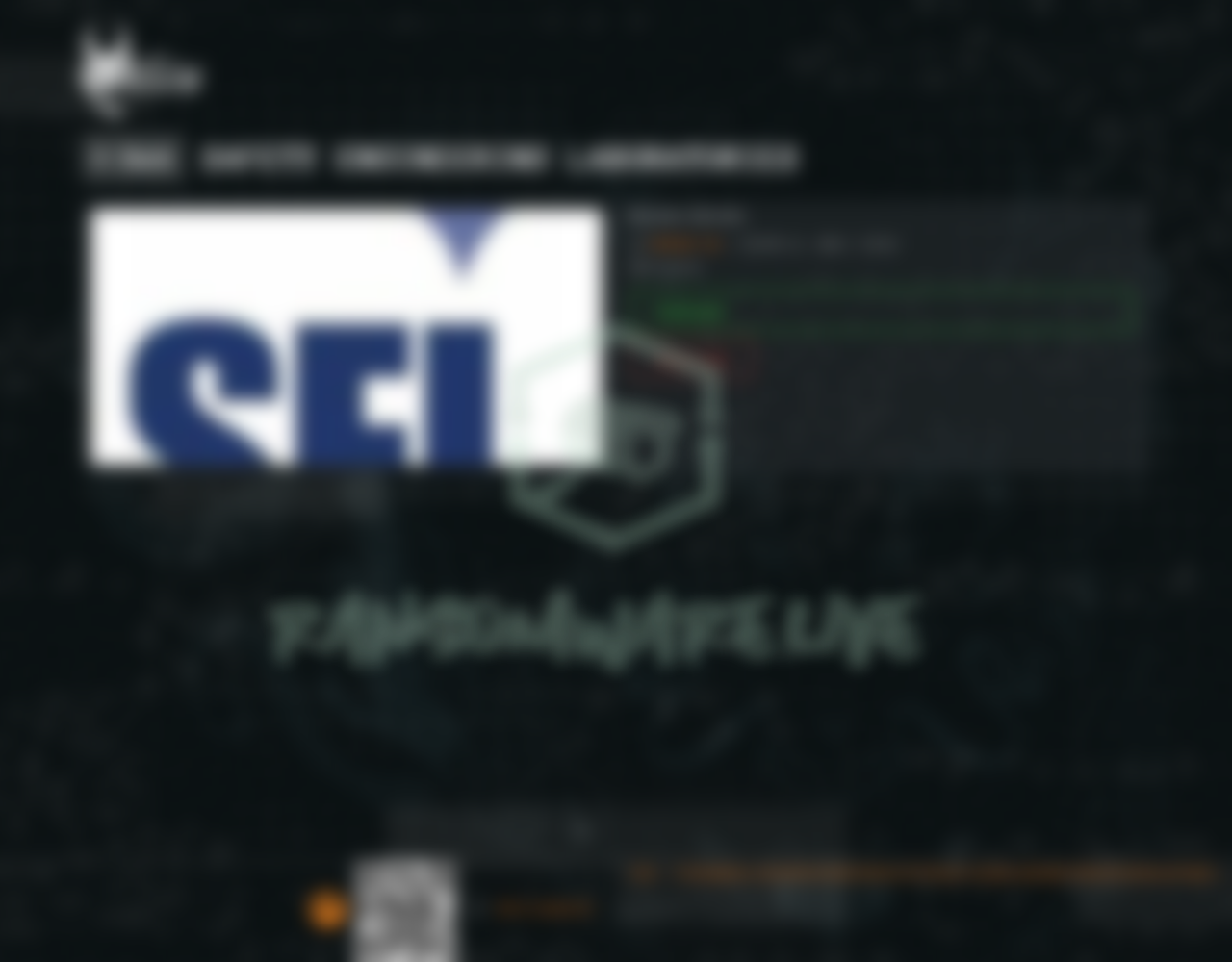
Screenshot captured at time of discovery. Image blurred to protect victim PII.
Claim Summary
On April 21, 2026, the Qilin ransomware group allegedly added Safety Engineering Laboratories (SEL) to their leak site. SEL is a US-based manufacturing company operating through www.safetyengineeringlabs.com. The threat actor claims to have compromised the organization but has not disclosed specific data types or volume. As of this report, no data samples or download links have been published, which may indicate the attack is in an early negotiation or extortion phase.
Threat Actor Profile
Qilin (also tracked as Agenda) is a sophisticated ransomware-as-a-service (RaaS) group first observed in 2022. With 1,617 known victims, they maintain a high operational tempo. Their toolset includes:
- Credential theft: Mimikatz
- Defense evasion: EDRSandBlast, PCHunter, PowerTool
- Network reconnaissance: Nmap, Nping
- Exfiltration: EasyUpload.io, MEGA
The group has demonstrated cross-platform capabilities, targeting both Windows and VMware ESXi environments. They are known for double extortion tactics - encrypting systems while exfiltrating data to pressure victims. Their attack chain often begins with initial access via phishing, RDP compromise, or exploiting public-facing applications.
Research references from Secureworks (tracking as GOLD FEATHER), Trend Micro, and Google Cloud’s Mandiant (tracking as UNC3944) confirm Qilin’s use of custom PowerShell scripts for lateral movement and their ability to propagate to vCenter and ESXi hypervisors.
Alleged Data Exposure
The Qilin group claims to have accessed Safety Engineering Laboratories’ systems but has not specified:
- Types of data allegedly stolen (financial records, intellectual property, employee PII, customer data)
- Volume of data (listed as undisclosed)
- Any proof-of-claim (no samples or screenshots provided)
This lack of detail is notable. While Qilin typically provides some evidence to pressure victims, the absence here could mean:
- The attack is recent and data is still being processed
- The group is bluffing to force early payment
- The victim has already engaged in negotiations
Potential Impact
If the claim is verified, the impact on Safety Engineering Laboratories could include:
- Operational disruption: Manufacturing downtime from encrypted systems
- Intellectual property theft: Engineering designs, proprietary manufacturing processes
- Supply chain risk: If SEL provides components to other manufacturers, downstream exposure is possible
- Regulatory consequences: Potential CMMC or ITAR compliance issues if defense-related data is involved
- Reputational damage: Loss of client trust in a competitive manufacturing sector
What to Watch For
- Leak site updates: Qilin may publish data samples or a countdown timer to increase pressure
- Third-party notifications: Partners or clients of SEL may receive breach notifications
- Technical indicators: Look for Qilin’s known IOCs including specific PowerShell scripts, MEGA upload patterns, and EDRSandBlast artifacts
- YARA detection: Analysts can deploy rules targeting Qilin’s custom encryptor binaries and their use of
-vssflags for volume shadow copy deletion
Disclaimer
This report is based on unverified claims made by the Qilin ransomware group on their dark web leak site. Yazoul Security has not independently confirmed the compromise of Safety Engineering Laboratories. Ransomware groups routinely exaggerate or fabricate claims to pressure victims. Organizations should not take action based solely on this intelligence without further verification. All details regarding alleged data exposure, attack timeline, and victim impact are sourced from the threat actor’s own statements and should be treated with appropriate skepticism.
Never miss a threat intelligence alert
Get real-time security alerts delivered to your preferred platform.
Related Claims
Longwood Engineering Company — qilin
Buckley Powder — qilin
Leistritz Turbine Technology — qilin
Denso — qilin