Super AI Ransomware Attack by Everest (April 2026)
Unverified dark web claim. This report is based on a post observed on a dark web forum. Yazoul Security has not independently verified the authenticity of this claim.
Leak Site Screenshot
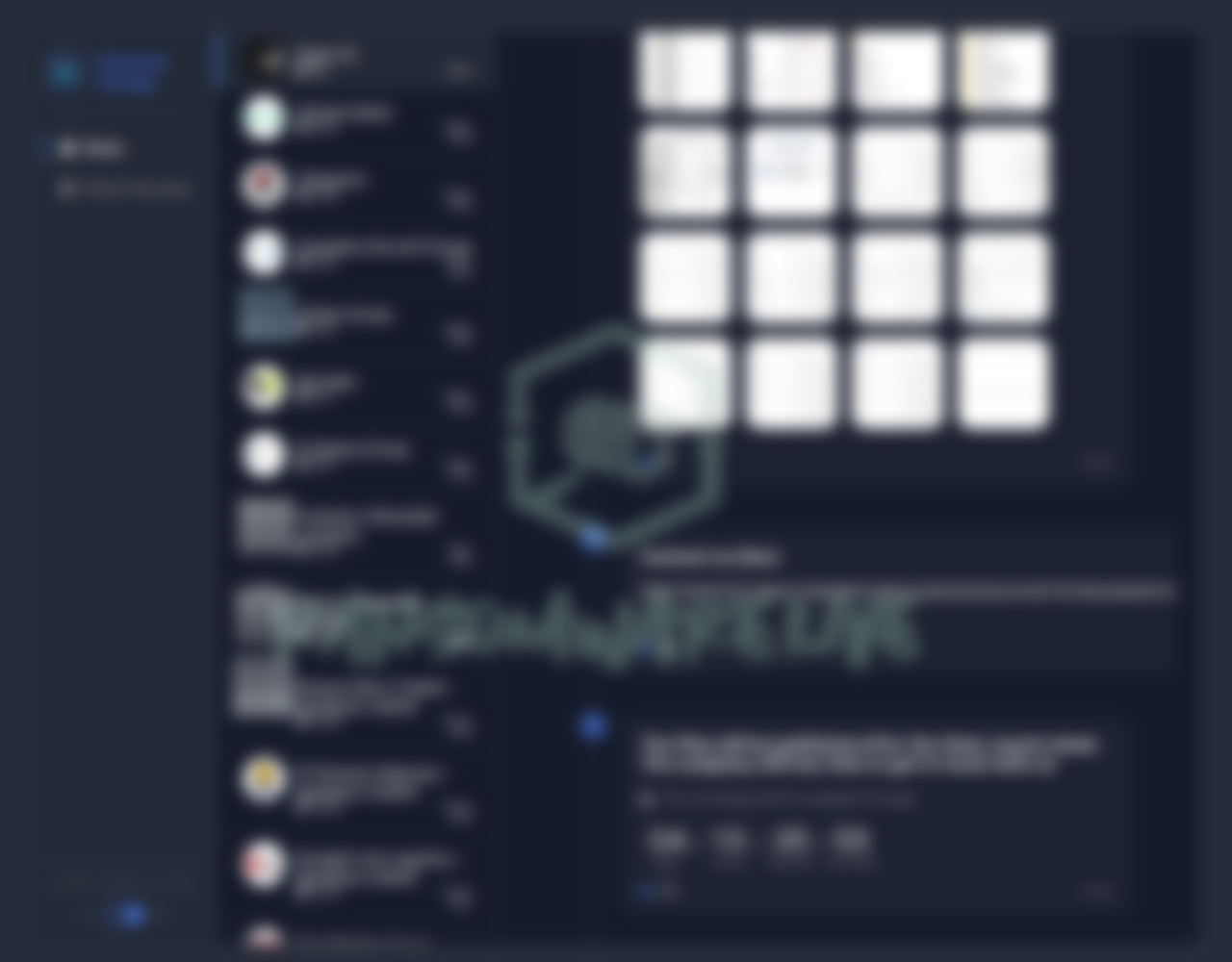
Screenshot captured at time of discovery. Image blurred to protect victim PII.
Claim Summary
On April 28, 2026, the Everest ransomware group allegedly added Super AI, a technology firm specializing in artificial intelligence, to their dark web leak site. The threat actor claims to have exfiltrated data from the organization, though the volume and nature of the stolen information remain undisclosed. This incident has not been independently verified, and Super AI has not publicly confirmed any breach. Given Everest’s established track record of 339 known victims, the claim warrants cautious monitoring but should be treated as unconfirmed until official statements or forensic evidence emerge.
Threat Actor Profile
Everest is a ransomware group first observed in 2020, known for double extortion tactics - encrypting systems and exfiltrating data to pressure victims into paying ransoms. According to open-source intelligence, including a threat actor profile from the Health Sector Cybersecurity Coordination Center (HC3), Everest has targeted multiple sectors globally, with a particular focus on healthcare, technology, and critical infrastructure.
The group’s known toolset includes:
- ProcDump - for credential dumping and memory analysis
- SoftPerfect NetScan - for network reconnaissance
- Cobalt Strike - for command and control and lateral movement
- Metasploit - for exploitation of vulnerabilities
- Meterpreter - for post-exploitation access
- AnyDesk, Atera, Splashtop - legitimate remote access tools abused for persistence
Everest typically gains initial access through phishing campaigns, vulnerable internet-facing services, or compromised credentials. They then deploy Cobalt Strike beacons for persistent access, use ProcDump to harvest credentials, and escalate privileges using Metasploit modules. Their ransomware payload is custom-built, often with encryption that avoids certain file extensions to maintain system stability.
Alleged Data Exposure
The Everest leak site entry for Super AI does not specify the type or volume of data allegedly stolen. The claim states “AI generated” data, which could refer to proprietary machine learning models, training datasets, or internal research documents. However, the lack of specific details - such as sample files, directory listings, or data categories - is unusual for Everest, which often provides proof of compromise to pressure victims. This absence may indicate the claim is exaggerated, the data is still being processed, or the group is testing the victim’s response before escalating.
Potential Impact
If the claim is verified, the consequences for Super AI could be significant:
- Intellectual Property Theft: AI firms rely on proprietary algorithms, training data, and model architectures. Exposure could erode competitive advantage.
- Operational Disruption: Ransomware encryption could halt AI model training, data processing, and client services.
- Regulatory Exposure: Depending on jurisdiction, data breaches involving personal or sensitive data may trigger notification requirements under GDPR, CCPA, or similar laws.
- Reputational Damage: Clients and partners may lose trust in Super AI’s security posture, potentially affecting contracts and future business.
What to Watch For
- Official Statement: Monitor Super AI’s website and press channels for a breach notification or denial.
- Leak Site Updates: Everest may release sample data or a countdown timer to increase pressure.
- Dark Web Chatter: Forums discussing the breach may reveal additional context or data samples.
- Detection Guidance: YARA rules for Everest ransomware are available in public repositories (e.g., rule “Everest_Ransomware_Oct2023” targeting their custom encryptor). Organizations should update endpoint detection rules to flag Everest-related indicators, including known Cobalt Strike profiles and remote access tool hashes.
Disclaimer
This report is based solely on unverified claims published by the Everest ransomware group on their dark web leak site. Yazoul Security has not independently confirmed the breach, data exfiltration, or any other details. Ransomware groups routinely exaggerate or fabricate claims to coerce victims. Organizations should treat this information as intelligence leads only and await official confirmation from Super AI or forensic investigators before taking action. No PII, download links, or access credentials are included in this report.
Never miss a threat intelligence alert
Get real-time security alerts delivered to your preferred platform.
Related Claims
Studio Marchi - Studio Professionale Associato — everest
Epiq Global — everest
Symcor — everest
Complete Aircraft Group — everest