Bomu Hospital Ransomware Attack by Krybit (May 2026)
Unverified dark web claim. This report is based on a post observed on a dark web forum. Yazoul Security has not independently verified the authenticity of this claim.
Leak Site Screenshot
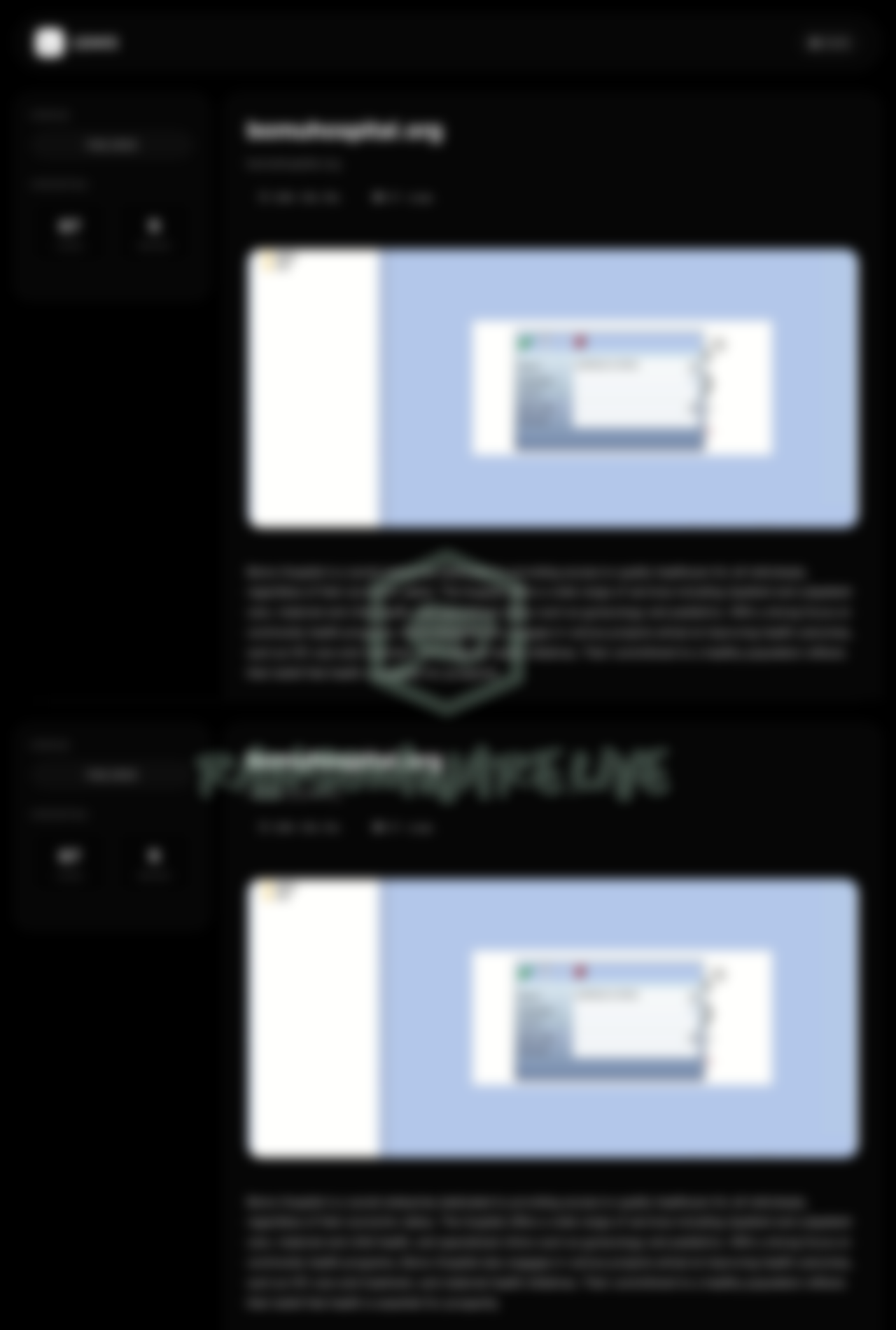
Screenshot captured at time of discovery. Image blurred to protect victim PII.
Claim Summary
On May 1, 2026, the ransomware group Krybit allegedly added Bomu Hospital to their leak site. The threat actor claims to have exfiltrated data from the Kenyan healthcare provider’s network. According to the leak site, Bomu Hospital is described as “a social enterprise dedicated to providing access to quality healthcare for all individuals, regardless…” The full scope of the alleged breach remains undisclosed, and no data samples or download links have been published as of this writing. Yazoul Security has NOT independently verified these claims.
Threat Actor Profile
Krybit is a relatively obscure ransomware group with limited public attribution. Based on available intelligence:
- Known Victims: Unknown - the group has not been widely tracked by major cybersecurity firms.
- Known Tools: No specific tools, initial access vectors, or encryption methods have been publicly documented for Krybit.
- Tactics: Without public research, it is unclear whether Krybit uses double extortion, data encryption, or other common ransomware tactics. The group’s leak site behavior suggests they may be operating a data leak site, but their credibility is low due to the absence of verifiable past attacks.
- Detection Guidance: No YARA rules, Sigma rules, or specific detection guidance are available for Krybit at this time. Organizations should monitor for generic ransomware indicators such as unusual file extensions, ransom notes, and network anomalies.
Credibility Assessment: Low. Krybit has no established track record of successful attacks or data leaks. Their claims should be treated with extreme skepticism until corroborated by independent sources.
Alleged Data Exposure
According to the leak site, Krybit claims to have accessed Bomu Hospital’s systems and exfiltrated data. However:
- Data Volume: Undisclosed - no file sizes or record counts provided.
- Data Types: Not specified. Healthcare organizations typically hold patient records, medical histories, billing information, and employee data, but Krybit has not confirmed any specific data categories.
- Proof of Claim: No samples, screenshots, or file listings have been released to substantiate the breach.
Without evidence, this claim may be an attempt to pressure Bomu Hospital into negotiations or simply a false listing to inflate Krybit’s reputation.
Potential Impact
If verified, the alleged breach could have significant consequences:
- Patient Privacy: Exposure of protected health information (PHI) could lead to identity theft, medical fraud, or regulatory penalties under Kenya’s Data Protection Act.
- Operational Disruption: Healthcare facilities are critical infrastructure. Any ransomware incident could disrupt patient care, appointment scheduling, or medical record access.
- Reputational Harm: Bomu Hospital’s mission as a social enterprise relies on trust. A data breach could erode patient confidence and donor support.
- Regulatory Scrutiny: Kenya’s Office of the Data Protection Commissioner (ODPC) may investigate if patient data is confirmed compromised.
What to Watch For
- Leak Site Activity: Monitor Krybit’s leak site for any data publication. If no data appears within 7-14 days, the claim is likely false.
- Official Statements: Bomu Hospital has not yet commented. Any official response should be treated as authoritative.
- Patient Communications: If the breach is confirmed, affected patients should be notified per Kenyan data breach notification requirements.
- Third-Party Verification: Look for confirmation from Kenyan cybersecurity authorities or independent incident response firms.
Disclaimer
This report is based solely on unverified claims posted by the Krybit ransomware group on their leak site. Yazoul Security has NOT independently confirmed the breach, data exfiltration, or any operational impact on Bomu Hospital. Ransomware groups routinely fabricate or exaggerate claims to pressure victims. All information should be treated as preliminary and subject to change. No PII, download links, or access credentials are included in this report. For official updates, refer to Bomu Hospital’s communications or Kenyan cybersecurity authorities.
For more intelligence on ransomware threats, visit Yazoul Security’s dark web monitoring section at /intel/ransomware/.
Never miss a threat intelligence alert
Get real-time security alerts delivered to your preferred platform.
Related Claims
www.ibnsinatrust.com — krybit
tulipmediworld.com — krybit
www.eac-airports.com — krybit
capricornlogistics.com — krybit