EnergyAction Ransomware Attack by Safepay (May 2026)
Unverified dark web claim. This report is based on a post observed on a dark web forum. Yazoul Security has not independently verified the authenticity of this claim.
Leak Site Screenshot
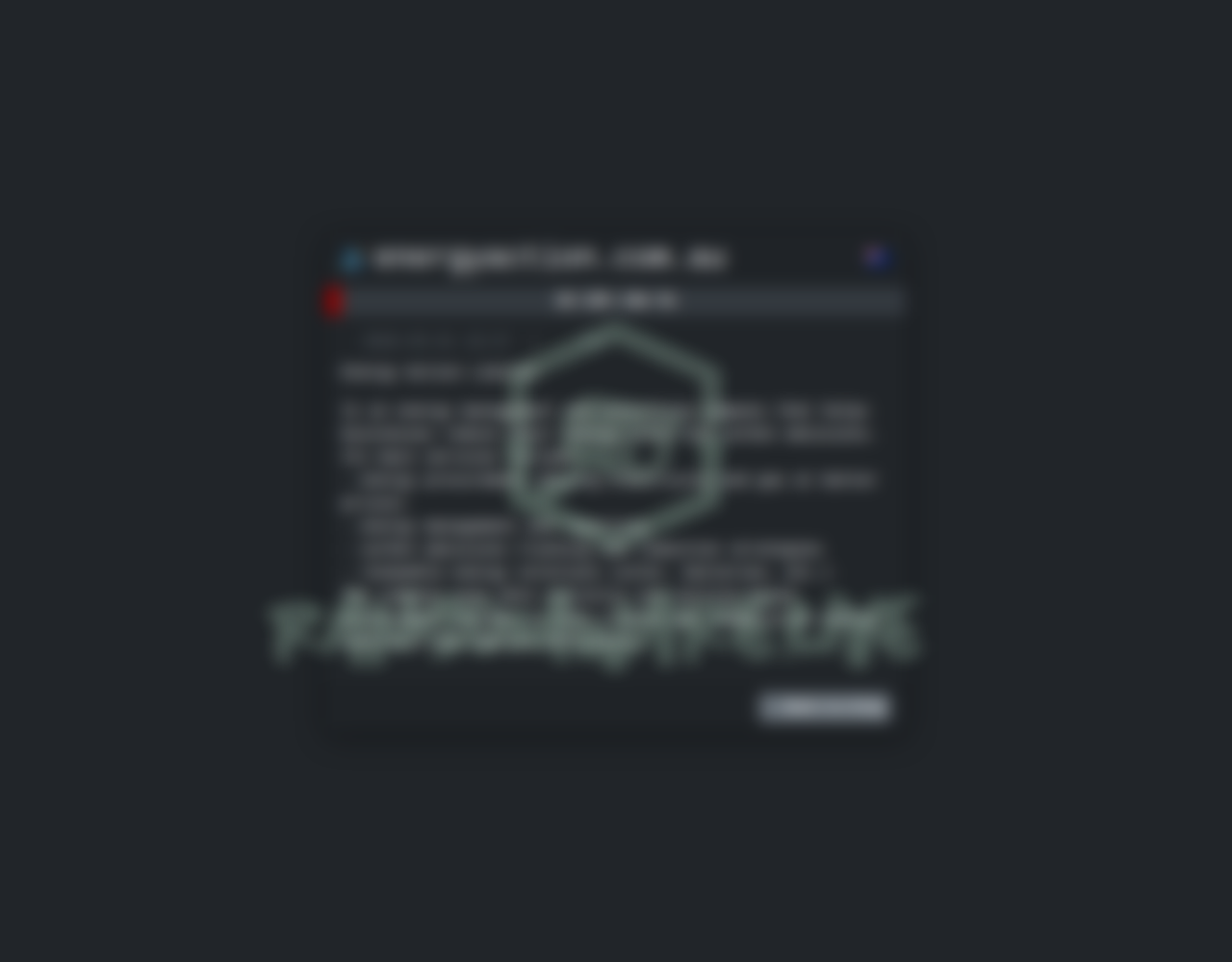
Screenshot captured at time of discovery. Image blurred to protect victim PII.
Claim Summary
On May 1, 2026, the Safepay ransomware group allegedly added EnergyAction (energyaction.com.au) to their leak site. The threat actor claims to have breached the Australian energy management and consulting company, which helps businesses reduce energy costs and carbon emissions. The group has not disclosed the volume of data allegedly stolen, and no samples or proof of exfiltration have been provided at this time. This claim remains unverified by Yazoul Security.
Threat Actor Profile
Safepay is a ransomware group with an unknown total victim count and no publicly available research detailing their operations. Based on observed tools associated with the group, they allegedly employ a range of post-exploitation and data exfiltration utilities. Known tools include:
- Invoke-ShareFinder: Used for network share enumeration and lateral movement.
- 7-Zip and WinRAR: Commonly used for compressing stolen data prior to exfiltration.
- CMSTPLUA: A Microsoft utility that can be abused for privilege escalation or bypassing User Account Control (UAC).
- dllhost.exe and Regsvr32.exe: Legitimate Windows binaries often weaponized for code execution and persistence.
The group’s credibility is difficult to assess due to the lack of a confirmed track record. Without prior verified attacks or public research, this claim should be treated with heightened skepticism. Ransomware groups frequently exaggerate or fabricate breaches to pressure victims into payment.
Alleged Data Exposure
According to the leak site entry, Safepay claims to have accessed data from EnergyAction. The specific nature of the data remains undisclosed, but given the organization’s role in energy management and consulting, potential data types could include:
- Client energy consumption reports and contracts
- Internal financial records and billing information
- Employee personal identifiable information (PII)
- Proprietary energy efficiency methodologies or carbon offset strategies
No data samples, file lists, or download links have been provided by the threat actor. The absence of evidence reduces the likelihood that a substantial breach occurred, though it does not rule out the possibility.
Potential Impact
If the claim is substantiated, EnergyAction could face:
- Reputational harm: Clients may lose trust in the company’s data security practices, particularly given its role in handling sensitive energy consumption data.
- Regulatory scrutiny: As an Australian entity, EnergyAction may be subject to the Privacy Act 1988 and the Notifiable Data Breaches (NDB) scheme. A confirmed breach involving personal information could trigger mandatory reporting obligations.
- Operational disruption: Ransomware attacks often involve encryption of critical systems, which could impair the company’s ability to deliver consulting services.
- Financial costs: Incident response, legal fees, and potential ransom demands could strain resources.
What to Watch For
- Leak site updates: Monitor for any additional posts from Safepay, including data samples or a countdown timer indicating publication.
- Official statements: EnergyAction may issue a public disclosure or notification to affected parties if the breach is confirmed.
- Indicators of compromise (IOCs): Organizations in the energy sector should watch for the tools listed above (e.g., Invoke-ShareFinder, CMSTPLUA) in their environments. No YARA rules or specific detection guidance are currently available for Safepay.
- Third-party alerts: Australian cybersecurity authorities (e.g., the Australian Cyber Security Centre) may issue advisories if the threat escalates.
Disclaimer
This report is based on unverified claims made by the Safepay ransomware group. Yazoul Security has not independently confirmed the breach, data exfiltration, or any associated details. Ransomware groups frequently exaggerate or fabricate incidents to coerce victims. Readers should treat this information with caution and await official confirmation from EnergyAction or relevant authorities. No data samples, download links, or access credentials are provided in this report. For more intelligence on ransomware threats, visit Yazoul Security’s dark web monitoring section at /intel/.
Never miss a threat intelligence alert
Get real-time security alerts delivered to your preferred platform.
Related Claims
triniticaring.org — safepay
hautarzt-budihardja.de — safepay
gob.pe — safepay
gingerichtrucking.com — safepay