Central Florida Dentistry Qilin Ransomware (June 2026)
Unverified dark web claim. This report is based on a post observed on a dark web forum. Yazoul Security has not independently verified the authenticity of this claim.
Leak Site Screenshot
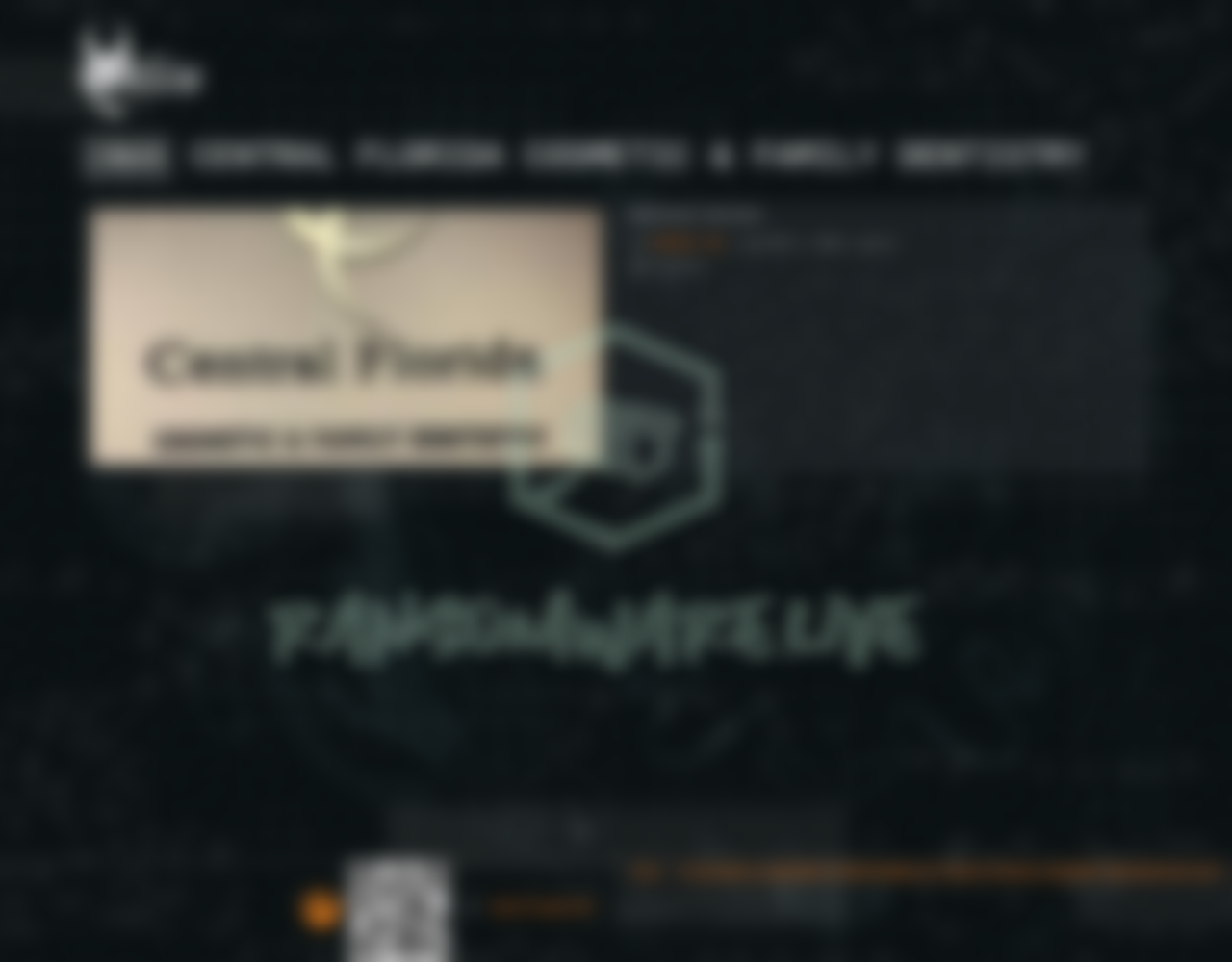
Screenshot captured at time of discovery. Image blurred to protect victim PII.
Claim Summary
On June 5, 2026, the Qilin ransomware group added Central Florida Cosmetic & Family Dentistry (operating as www.kissimmeesmile.com) to their dark web leak site. The threat actor claims to have successfully compromised the dental practice’s network and exfiltrated data. According to the leak site entry, the attack allegedly occurred on June 5, 2026. No specific data samples, volume details, or ransom demands were published at the time of this report. This claim has not been independently verified by Yazoul Security.
Threat Actor Profile
Qilin (also tracked as Agenda) is a ransomware-as-a-service (RaaS) group first observed in mid-2022. The group is known for targeting healthcare, education, and manufacturing sectors, primarily in English-speaking countries. Qilin’s operations are characterized by double extortion: data exfiltration followed by file encryption and public leak threats.
Based on open-source intelligence, Qilin affiliates commonly deploy the following tools during intrusions:
- Mimikatz: For credential dumping from LSASS memory.
- EDRSandBlast: To bypass endpoint detection and response (EDR) solutions.
- PCHunter and PowerTool: For kernel-mode process and driver manipulation.
- Nmap and Nping: For network reconnaissance and lateral movement.
- EasyUpload.io and MEGA: For exfiltration of stolen data to cloud storage.
Qilin’s credibility is moderate. While the group has successfully breached multiple organizations, they have also been observed exaggerating victim counts and data volumes to pressure targets. The absence of published data samples in this claim reduces immediate credibility, but the healthcare sector remains a high-value target for ransomware groups.
Alleged Data Exposure
The Qilin group claims to have exfiltrated data from Central Florida Cosmetic & Family Dentistry’s network. However, no specific file names, data categories, or volume metrics have been disclosed. Based on typical healthcare ransomware incidents, potential exposed data could include:
- Patient personally identifiable information (PII): names, addresses, dates of birth, Social Security numbers.
- Protected health information (PHI): medical records, treatment histories, insurance details.
- Internal business data: financial records, employee information, operational documents.
Without published samples, the scope and veracity of the alleged breach remain unconfirmed.
Potential Impact
If the claim is verified, the impact on Central Florida Cosmetic & Family Dentistry could be significant:
- Regulatory Consequences: As a healthcare provider subject to HIPAA, a confirmed data breach involving PHI could trigger mandatory notification requirements, regulatory fines, and potential civil litigation.
- Operational Disruption: Ransomware encryption may have disrupted patient scheduling, electronic health record access, billing systems, and day-to-day operations.
- Reputational Harm: Patient trust may erode if sensitive health data is exposed or leaked.
- Financial Costs: Incident response, forensic investigation, legal counsel, credit monitoring for affected individuals, and potential ransom payment (if made) could impose substantial costs.
What to Watch For
- Leak Site Updates: Monitor Qilin’s leak site for any published data samples or full archives, which would confirm the breach and reveal the scope.
- Official Statements: Watch for a press release or notification from Central Florida Cosmetic & Family Dentistry or their legal counsel regarding the incident.
- Patient Notifications: If PHI is confirmed compromised, affected individuals should receive breach notification letters under HIPAA rules.
- Detection Guidance: For organizations using similar dental practice management software or infrastructure, review network logs for indicators of compromise (IOCs) associated with Qilin’s known toolset (e.g., Mimikatz execution, unusual MEGA uploads). No public YARA rules are currently available for this specific incident.
Disclaimer
This intelligence report is based on unverified claims published by the Qilin ransomware group on their dark web leak site. Yazoul Security has not independently confirmed the breach, data exfiltration, or any ransom demands. Ransomware groups routinely exaggerate or fabricate claims to pressure victims. All information should be treated as preliminary and subject to change upon verification. No PII, credentials, download links, or access methods are included in this report. Organizations should not take action based solely on this information without further investigation.
CTI Research? Separate Your Traffic
Investigating dark web forums, threat actor infrastructure, or malware C2 panels? A VPN isolates your research traffic from your corporate IP. Layer it under Tor or route your sandbox egress through it for clean attribution separation.
Get NordVPN for CTIAffiliate link — we may earn a commission at no extra cost to you.
Never miss a threat intelligence alert
Get real-time security alerts delivered to your preferred platform.
Related Claims
Nova Medical Products — qilin
Clinica Maitenes — qilin
Dillon Family Medicine — qilin
Providence Medical Group — qilin