Beach Eye Medical Group Ransomware Claim by Dark Project (Oct 2026)
Unverified dark web claim. This report is based on a post observed on a dark web forum. Yazoul Security has not independently verified the authenticity of this claim.
Leak Site Screenshot
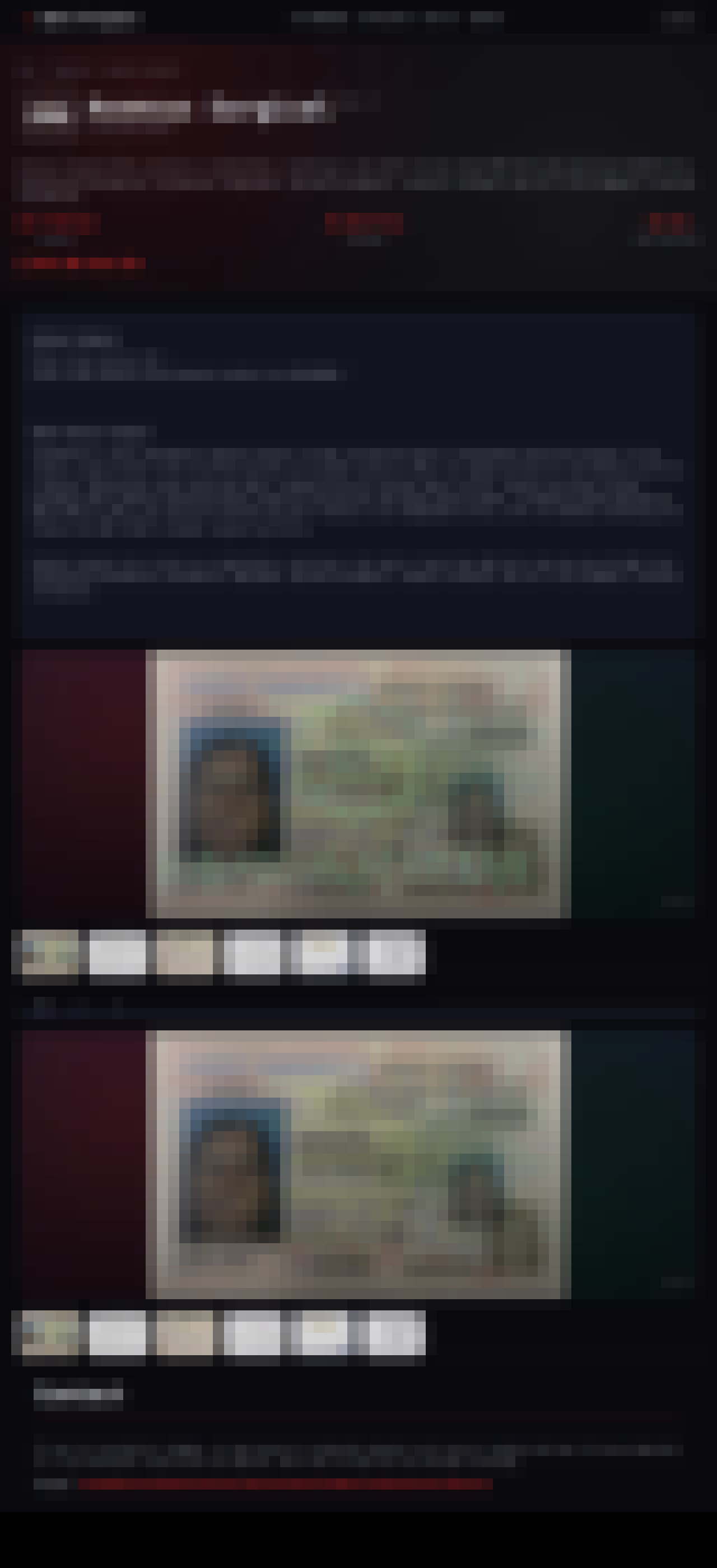
Screenshot captured at time of discovery. Image blurred to protect victim PII.
Claim Summary
On or around October 15, 2026, the ransomware group known as Dark Project allegedly listed Beach Eye Medical Group, a US-based eye-care provider operating the domain beacheye.com, on its dark web leak site. According to the threat actor, the group claims to have exfiltrated more than 200 GB of confidential data, purportedly comprising over 250,000 files. The actor alleges this data includes employee information, patient records, medical records, and physician reports.
This claim has NOT been independently verified. No confirmation has been issued by Beach Eye Medical Group, and no sample data, proof-of-leak artifacts, or corroborating evidence has been reviewed by Yazoul Security at the time of writing. The details below reflect the threat actor’s unverified assertions only.
Threat Actor Profile
Dark Project is a relatively low-profile ransomware operation with limited publicly documented activity. At the time of this report, the group’s total known victim count is unknown, and there is no substantial public research available describing its tooling, infrastructure, or affiliate structure.
Because the group’s known tools and tactics are not publicly documented, we cannot attribute specific malware families, initial access vectors, or exfiltration techniques to this claim with any confidence. Analysts should treat any technical characterization of Dark Project as speculative until corroborated by independent research. Organizations should apply general ransomware resilience controls rather than relying on group-specific detection signatures, as no validated YARA rules or detection guidance for this actor are currently available in public sources.
The absence of a documented track record is itself a credibility consideration. Groups with little public history may exaggerate claims, may be rebrands of other operations, or may post unverified listings to build notoriety.
Alleged Data Exposure
According to the threat actor, the purported dataset exceeds 200 GB across more than 250,000 files. The actor claims the material includes:
- Employee information
- Patient records
- Medical records
- Physician reports
- Other unspecified company information
If accurate, this would represent a significant exposure of protected health information (PHI) for a healthcare provider. However, ransomware groups routinely inflate data volumes and file counts to increase pressure on victims. The 250,000-file figure and the 200 GB volume should be regarded as unverified claims pending independent confirmation. No data samples have been reviewed, and Yazoul Security has not validated the contents, scope, or authenticity of any alleged dataset.
Potential Impact
If the claim is substantiated, a breach of this nature could carry serious consequences for a healthcare organization, including:
- Regulatory exposure under HIPAA and state breach notification laws
- Potential notification obligations to affected patients and employees
- Reputational harm and loss of patient trust
- Risk of follow-on fraud or identity theft if PHI is genuine
- Operational disruption from any associated encryption or system access
These are potential outcomes contingent on verification, not confirmed effects. Healthcare remains a frequent target for extortion-driven actors because of the sensitivity and regulatory value of patient data.
What to Watch For
- Official statement or breach notification from Beach Eye Medical Group
- Filing or notice from relevant regulators (e.g., HHS OCR)
- Publication of purported proof-of-leak samples by the actor
- Emergence of the alleged data for sale or distribution
- Any corroborating reporting from incident response firms or affected patients
Defenders in the healthcare sector should treat this as a reminder to validate backup integrity, review third-party access, and monitor for credential exposure. See our advisory resources for general ransomware preparedness guidance.
Disclaimer
This report is based solely on an unverified claim published by a ransomware group on its leak site. Nothing in this document should be treated as fact. Yazoul Security has NOT independently verified the attack, the data volume, the file count, or the nature of any allegedly stolen information. The threat actor’s claims may be exaggerated, inaccurate, or entirely false. No PII, credentials, data samples, or access details are included here by design. Readers should await official confirmation from the affected organization before drawing conclusions.
Never miss a threat intelligence alert
Get real-time security alerts delivered to your preferred platform.
Related Claims
Asensus Surgical — Dark Project
COASTAL CAROLINA NEUROPSYCHIATRIC CENTER, PA — Booba Project
Kingwood Endoscopy — N0n
passavant-ee.com — settra