Cameroon Ministry of Defence Hit by HYFLOCK - Nov 2026
Unverified dark web claim. This report is based on a post observed on a dark web forum. Yazoul Security has not independently verified the authenticity of this claim.
Leak Site Screenshot
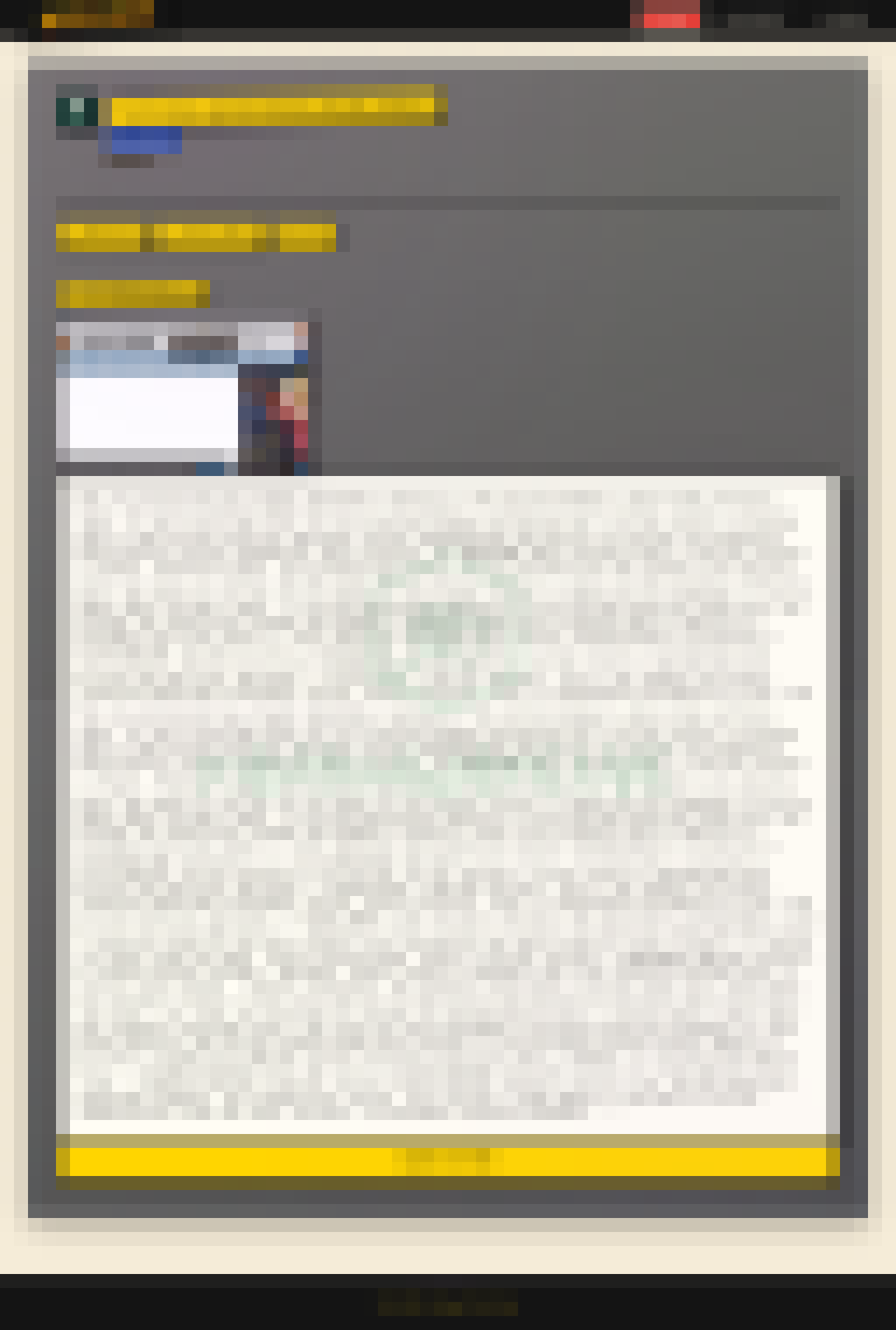
Screenshot captured at time of discovery. Image blurred to protect victim PII.
Claim Summary
The ransomware group HYFLOCK has allegedly listed the Cameroon Ministry of Defence (mindef.gov.cm) on its leak site, purportedly claiming an attack dated November 9, 2026. According to the threat actor, the intrusion resulted in the exfiltration of a “massive database” containing over 6 million records. The group claims to have completed a full analysis of the database, sorted by table volume, and asserts that the haul includes personnel histories, military rank data, and core system audit logs.
These claims remain entirely unverified. No independent party has confirmed the breach, the data volume, or the nature of the records described. The organization has not issued a public statement acknowledging the incident.
Threat Actor Profile
HYFLOCK is a relatively obscure ransomware operation with limited public track record. Open-source intelligence provides no confirmed total victim count, no documented tooling, and no established research references for this group. This lack of visibility is significant: it means analysts cannot assess the group’s historical reliability, technical sophistication, or typical post-exploitation behavior with any confidence.
The absence of known tools and tactics does not mean the group lacks capability - it may simply reflect a low profile, a new operation, or a rebrand. However, it also raises the possibility that the claim is exaggerated or opportunistic. Groups with thin track records sometimes inflate data volumes and sensitivity to manufacture pressure on victims. Readers should treat the group’s self-reported figures with substantial skepticism until corroborated.
Alleged Data Exposure
According to the threat actor, the purported dataset includes:
- Nearly 1.35 million historical personnel records (HISTO_RECIP)
- Approximately 2.41 million core operation audit and history records (HISTO_OR)
- Nearly 1 million records in a table the group identifies as TMOUCHARD, which it claims relates to system audit or activity logs
- Roughly 160,000 recipient records and 161,000 distinction records, described as current military and political personnel rosters
- Over 6,500 records the group links to military rank and branch data
The group’s narrative emphasizes that the alleged audit log theft would let an attacker study administrator behavior. This is a common pressure tactic. None of these figures or table descriptions have been independently validated, and the interpretation of table names is the threat actor’s own.
Potential Impact
If the claims were accurate, the exposure of personnel and rank data could present serious risks to affected individuals and to operational security. However, this is speculative. Ransomware groups frequently overstate the sensitivity and scale of stolen data. The purported audit log exposure, while concerning in principle, is described entirely by the attacker and should not be accepted at face value. Organizations in the government and defense sector should treat any such claim as a prompt for internal review rather than confirmed fact.
What to Watch For
- Official statements from Cameroonian authorities confirming or denying the incident
- Independent forensic reporting on the scope of any breach
- Reuse or sale of the purported data on other criminal channels
- Whether HYFLOCK publishes verifiable samples or withdraws the claim
Defenders should review authentication logs, monitor for unusual access to personnel databases, and validate backup integrity. Detection engineering teams may wish to review existing YARA and behavioral rules for ransomware staging and data exfiltration, though no group-specific signatures are publicly available for HYFLOCK.
Disclaimer
This report is based solely on an unverified claim published by a ransomware group on its leak site. Yazoul Security has not independently verified the breach, the data volume, the table contents, or the identity of the threat actor. Nothing in this article should be treated as confirmed fact. Ransomware groups routinely exaggerate claims to pressure victims. Readers should await official confirmation before drawing conclusions.
Never miss a threat intelligence alert
Get real-time security alerts delivered to your preferred platform.
Related Claims
Aesthetic Dental Designs, P.A — HYFLOCK
YYC Advisors — HYFLOCK
Texas HHSC — BYOD
Tribunal de Justica do Estado de Minas Gerais — rhysida