Oral Roberts University Ransomware Claim by Qilin (Nov 2026)
Unverified dark web claim. This report is based on a post observed on a dark web forum. Yazoul Security has not independently verified the authenticity of this claim.
Leak Site Screenshot
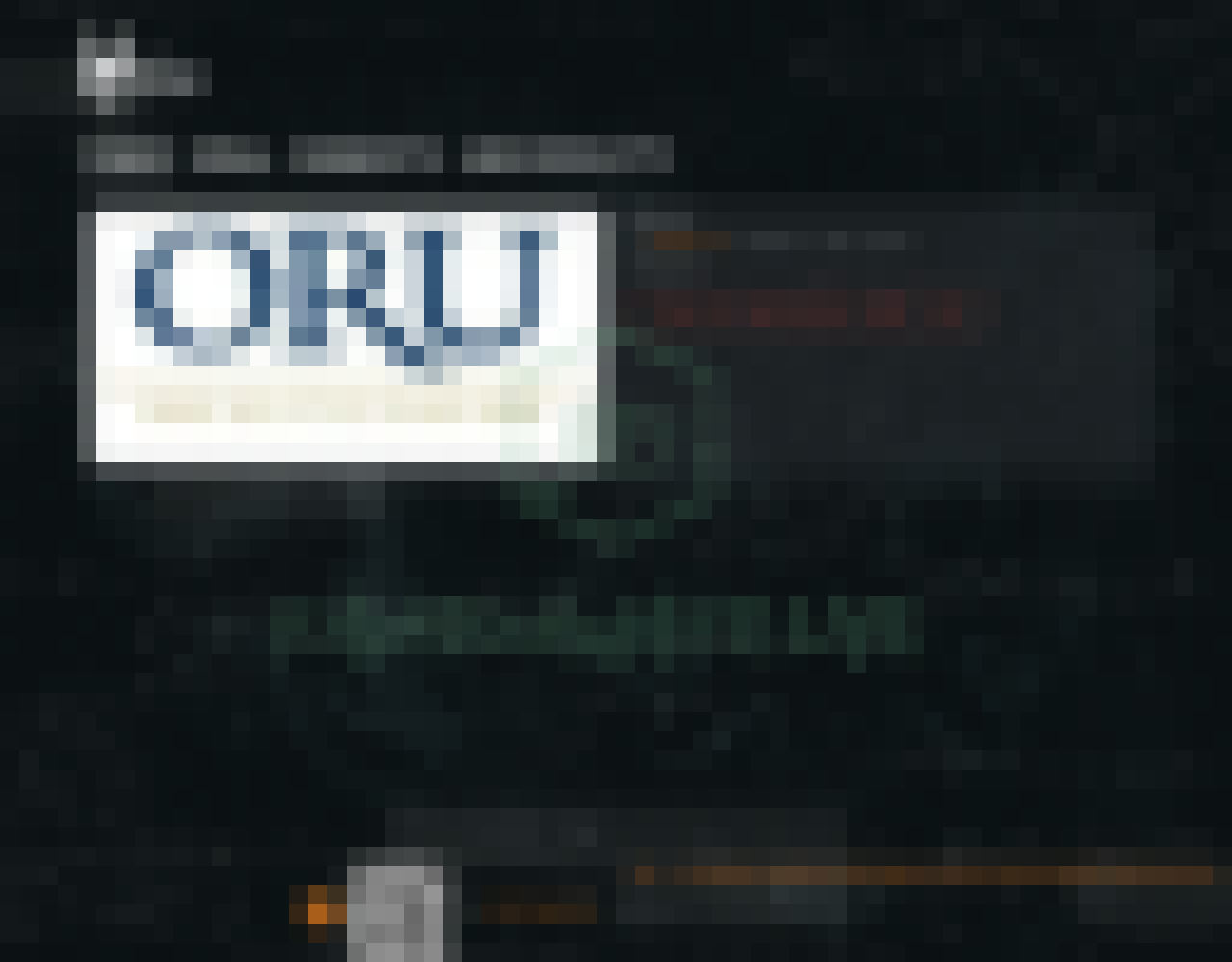
Screenshot captured at time of discovery. Image blurred to protect victim PII.
Claim Summary
The Qilin ransomware group has allegedly listed Oral Roberts University (oru.edu), a private Christian university in Tulsa, Oklahoma, on its dark web leak site. According to the threat actor, the attack purportedly occurred on November 11, 2026. The group claims to have exfiltrated data from the institution, though the volume of allegedly stolen data is listed as undisclosed, and no specific data categories have been named.
This claim has NOT been independently verified. At the time of writing, there is no public confirmation from Oral Roberts University that a breach occurred, nor any statement addressing the Qilin listing. The claim should be treated as unsubstantiated until corroborated by the victim, a third-party incident response firm, or regulatory disclosure.
Threat Actor Profile
qilin is a ransomware-as-a-service (RaaS) operation that has been active since approximately 2022 and is widely assessed by the security community to be a rebrand or successor of the earlier Agenda ransomware family. The group is known for double extortion tactics, encrypting victim systems while simultaneously exfiltrating data to pressure targets into payment.
Qilin has historically targeted a broad range of sectors including healthcare, education, manufacturing, and government, with a notable focus on organizations where downtime is costly. The group has been observed using a variety of initial access vectors, including exploited VPN appliances and valid credentials, and has been linked to affiliates who deploy custom tooling. Specific tools and tactics used in this alleged incident are not publicly documented, and no public research references were available at the time of this report.
Detection guidance: defenders should monitor for unusual data staging and large outbound transfers, anomalous use of remote access tooling, and rapid encryption activity. Generic behavioral detections for double extortion patterns remain advisable, though no Qilin-specific YARA rules were available for this report.
Alleged Data Exposure
The threat actor claims to have stolen data from Oral Roberts University but has not disclosed the data volume or the nature of the allegedly exfiltrated information. No samples, file listings, or proof-of-compromise artifacts have been publicly described in a verifiable manner. Because ransomware groups frequently exaggerate or misrepresent the scope of stolen data to increase pressure on victims, the absence of specifics here should be read with skepticism. It is also possible that the listing is a negotiating tactic rather than a reflection of confirmed exfiltration.
Potential Impact
If the claim is accurate, a university of this profile could face risks including disruption to academic and administrative systems, exposure of student and employee records, and reputational harm. Educational institutions hold sensitive personal data, research materials, and financial records, all of which are attractive to extortion actors. However, none of this is confirmed. The actual impact depends entirely on whether the claim is genuine and on the scope of any real intrusion, which remains unknown.
What to Watch For
- Any official statement from Oral Roberts University confirming or denying an incident.
- Regulatory or breach notification filings that would corroborate the claim.
- Updates to the Qilin leak site, including the posting of data samples or a countdown timer.
- Reports from incident response firms or threat intelligence vendors tracking Qilin activity.
- Related activity against other education-sector targets that may indicate a broader campaign.
Organizations in the education sector should review backup integrity, enforce multi-factor authentication on remote access, and monitor for the indicators described above. For ongoing tracking, see our intel section.
Disclaimer
This report is based solely on an unverified claim published by the Qilin ransomware group on its leak site. Yazoul Security has not independently confirmed the alleged attack, the exfiltration of any data, or the involvement of Oral Roberts University. Ransomware groups routinely exaggerate claims, publish inaccurate listings, and reuse victim names to apply pressure. Nothing in this article should be treated as fact. Readers should await official confirmation before drawing conclusions.
Never miss a threat intelligence alert
Get real-time security alerts delivered to your preferred platform.
Related Claims
Oak Green School — qilin
Calvary Christian College — qilin
Friendship Christian School — qilin
Kinetic Education — qilin