Golden State College & Milan Institute Hit by Dark Project (Nov 2026)
Significant claim
Claim Risk Profile
Dark Project allegedly claims 420GB stolen from Golden State College & Milan Institute. Unverified leak site claim - read our threat analysis and stay alert.
What to do
This claim is unverified. It comes from a post on a leak site or forum, and Yazoul has not confirmed it.
- If true, files taken from Golden State College & Milan Institute may be published, and staff, customers and partners could be targeted with phishing or fraud that uses them.
- If you deal with Golden State College & Milan Institute, wait for its own statement before acting, and treat unexpected messages that mention this incident with suspicion.
- The group behind the claim: Dark Project, 4 claims
Leak Site Screenshot
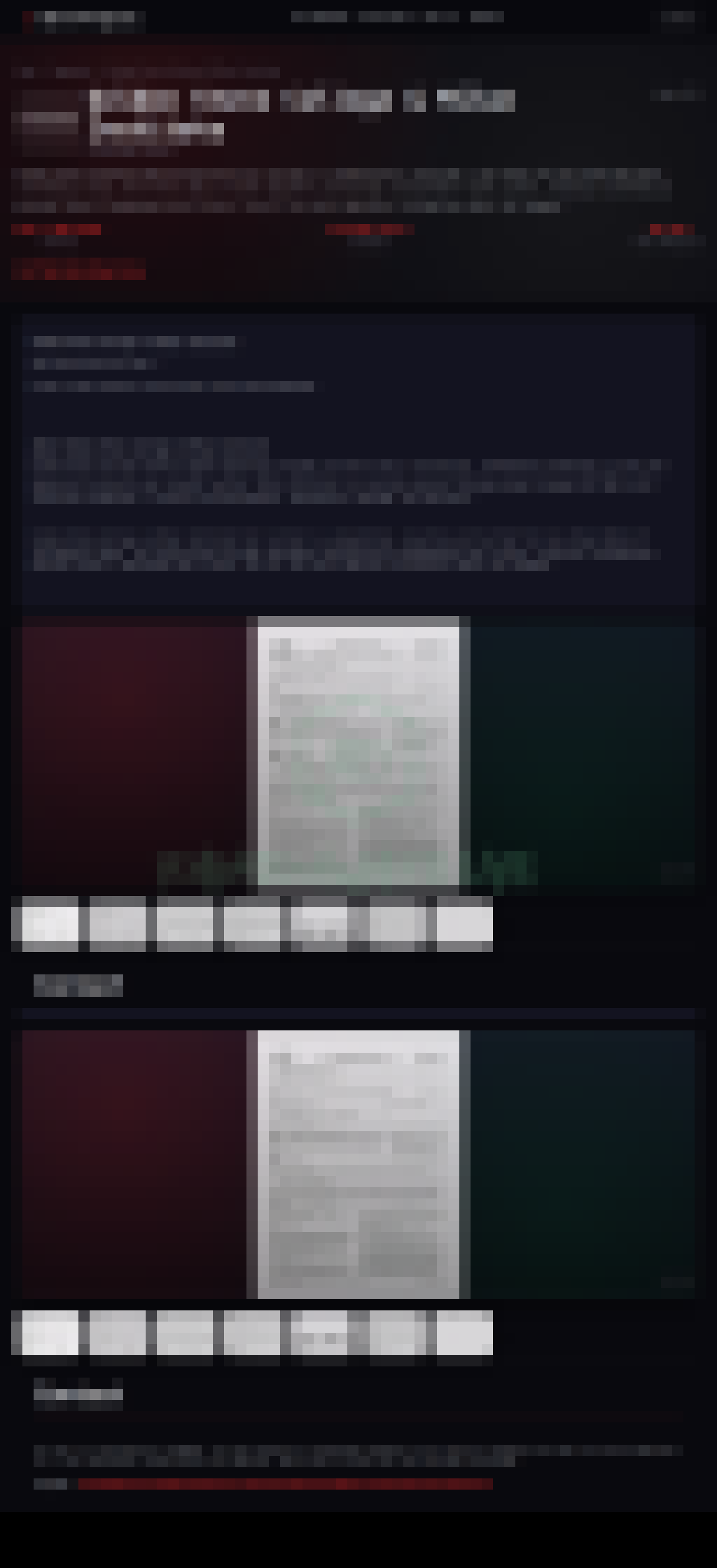
Screenshot captured at time of discovery. Image blurred to protect victim PII.
Claim Summary
On or around November 23, 2026, the ransomware group known as Dark Project allegedly listed Golden State College & Milan Institute on its dark web leak site. According to the threat actor, the two related US education organizations - Golden State College, which offers higher-education programs in accounting, information technology, social and behavioral science, and criminal justice, and Milan Institute, a private career-training school founded in 1985 with vocational programs in beauty, healthcare, massage, and business - were purportedly breached in a cyberattack.
The group claims to have exfiltrated more than 420 GB of confidential data. According to the threat actor, this allegedly includes documents containing correspondence with clients, financial information, personal data of employees and clients, and other sensitive organizational information. None of these claims have been independently verified, and no sample data, proof files, or corroborating evidence has been reviewed by Yazoul Security at the time of writing.
Threat Actor Profile
Dark Project is a ransomware and data-extortion group that, based on currently available open-source intelligence, has limited publicly documented research. Yazoul Security has not identified a confirmed catalog of known tools, malware families, or documented tactics, techniques, and procedures (TTPs) associated with this actor. The group’s total number of known victims remains unknown, and no public research references were available at the time of this assessment.
Because the group’s track record cannot be reliably established, its credibility should be treated with caution. Ransomware operators frequently inflate data volumes, misrepresent the sensitivity of stolen material, and publish claims before verifying the contents of exfiltrated data. The absence of a documented toolset or prior confirmed victims means analysts should not assume the group possesses capabilities beyond those described in its own claim. No YARA rules or detection signatures specific to Dark Project are currently available; defenders should rely on general ransomware detection guidance, including monitoring for mass file encryption, unusual outbound data transfers, and unauthorized access to file-sharing infrastructure.
Alleged Data Exposure
The threat actor claims that approximately 420 GB of data was stolen. Purportedly, this includes client correspondence, financial records, and personal data belonging to employees and clients of both institutions. Yazoul Security has not seen, reviewed, or validated any of this material. The specific categories, volume, and sensitivity of the alleged data remain unconfirmed. It is equally possible that the claim is exaggerated or that the described data does not exist in the form asserted.
Potential Impact
If the claim is accurate, the alleged exposure of employee and client personal data could create privacy, regulatory, and reputational risk for both institutions. Education organizations hold sensitive student records and, in the case of career-training programs, client information that may fall under state and federal privacy obligations. However, because the claim is unverified, any impact assessment remains speculative. Affected parties should await official statements from the institutions rather than relying on the threat actor’s characterization.
What to Watch For
- Official statements or breach notifications from Golden State College or Milan Institute.
- Regulatory filings or notifications to state attorneys general or education authorities.
- Evidence of data appearing in criminal marketplaces, which would lend credibility to the claim.
- Any communication from the threat actor to the victim organizations, including ransom demands or deadlines.
- Updates to the group’s leak site, including the posting of purported proof samples.
Disclaimer
This report is based solely on an unverified claim published by a ransomware group on its leak site. Nothing in this article should be treated as confirmed fact. Yazoul Security has not independently verified the attack, the data volume, the contents of the alleged data, or the identity of the threat actor. Ransomware groups routinely exaggerate claims to pressure victims. Readers should rely on official statements from the affected organizations and authoritative incident responders.
Related
- Golden State Baptist College Ransomware Claim by Dark Project (Nov 2026)Nov 25, 2026
- Asensus Surgical Ransomware Claim by Dark Project (Oct 2026)Oct 21, 2026
- Beach Eye Medical Group Ransomware Claim by Dark Project (Oct 2026)Oct 21, 2026
- Dallas Theological Seminary Hit by Barracuda - Nov 2026Nov 20, 2026