Maiadouro Ransomware Attack by Safepay (May 2026)
Unverified dark web claim. This report is based on a post observed on a dark web forum. Yazoul Security has not independently verified the authenticity of this claim.
Leak Site Screenshot
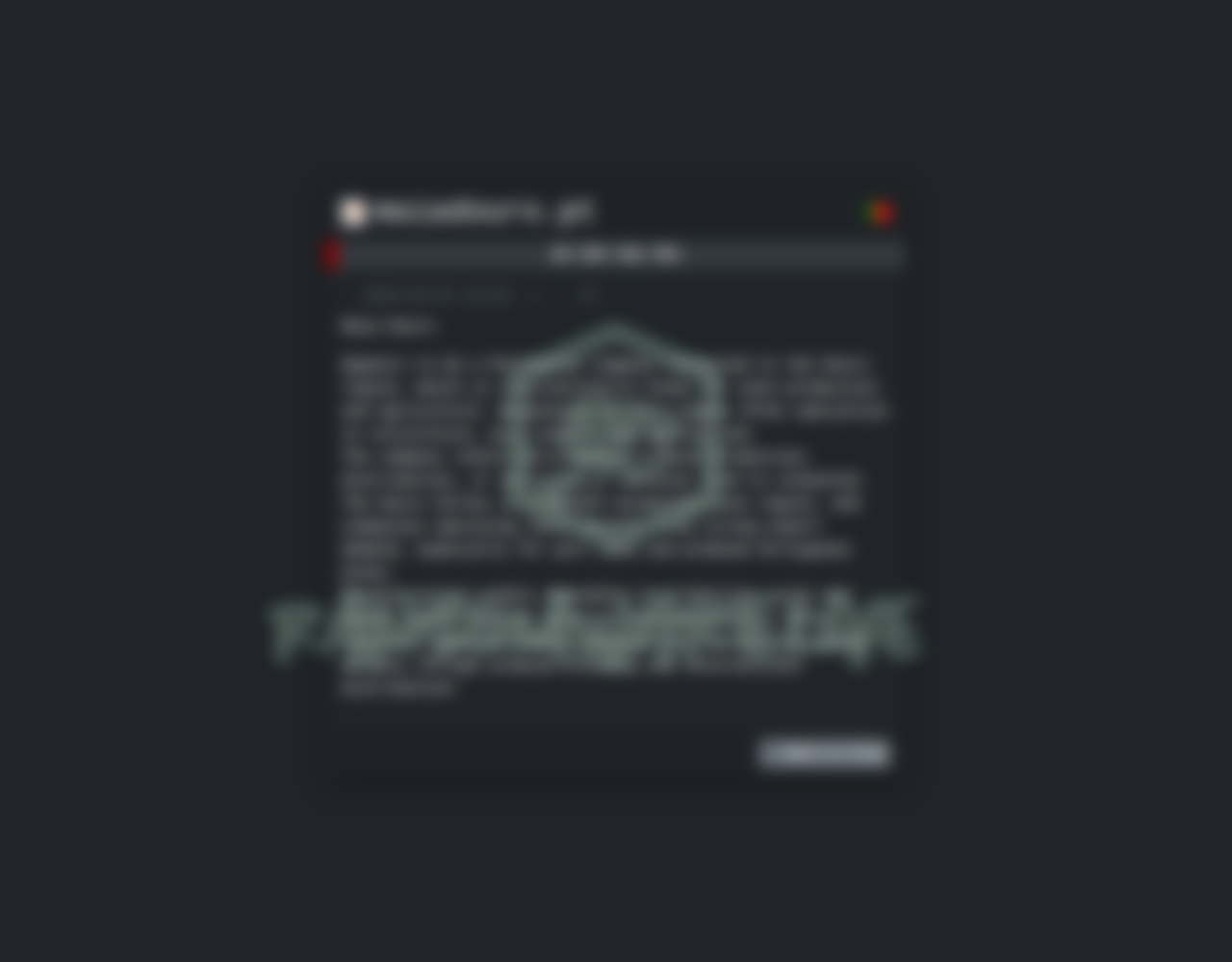
Screenshot captured at time of discovery. Image blurred to protect victim PII.
Claim Summary
On May 4, 2026, the ransomware group known as “Safepay” posted a claim on their dark web leak site alleging a successful attack against the Portuguese agricultural and food production entity Maiadouro (maiadouro.pt). The threat actor claims to have exfiltrated data from the organization, which is based in the Douro Valley region of Portugal, an area internationally recognized for wine production and agriculture. The exact nature and volume of the alleged stolen data remain undisclosed, and no samples or proof-of-life have been publicly provided at this time. This report is based solely on the group’s unverified claim.
Threat Actor Profile
Safepay is a relatively obscure ransomware group with a limited public track record. The total number of known victims attributed to this group is currently unknown, making credibility assessments difficult. Based on open-source intelligence and observed tooling, Safepay appears to employ a combination of living-off-the-land (LotL) techniques and commodity tools to facilitate their operations.
Known tools associated with Safepay include:
- Invoke-ShareFinder: Used for network reconnaissance and identifying accessible shares.
- 7-Zip / WinRAR: Utilized for compressing exfiltrated data.
- CMSTPLUA: A Microsoft signed binary used for bypassing User Account Control (UAC).
- dllhost.exe / Regsvr32.exe: Legitimate Windows processes abused for code execution and persistence.
No public YARA rules or specific detection guidance for Safepay are currently available. The group’s reliance on common, dual-use tools suggests that detection may require behavioral monitoring rather than signature-based approaches. Security teams should monitor for unusual execution of these binaries, particularly in conjunction with network scanning or large-scale file compression activities.
Alleged Data Exposure
According to the Safepay leak site, the group claims to have accessed and exfiltrated data from Maiadouro. The specific categories of data allegedly compromised have not been detailed. Given Maiadouro’s role in the agriculture and food production sector, potential data exposure could include:
- Internal operational documents and supply chain records
- Financial data and billing information
- Employee or contractor personally identifiable information (PII)
- Proprietary agricultural or production methodologies
- Customer or partner contact lists
It is important to note that no data samples have been released, and the claim remains unsubstantiated. Ransomware groups frequently exaggerate or fabricate data theft claims to pressure victims into paying ransoms.
Potential Impact
If the Safepay claim is verified, the impact on Maiadouro could be significant. As a company operating in the Douro Valley, a region with a strong international brand tied to wine and agriculture, any data breach could damage business relationships and customer trust. Operational disruptions from a ransomware encryption event could halt production, logistics, and administrative functions, leading to financial losses. Furthermore, if sensitive employee or partner data is exposed, the organization could face regulatory scrutiny under Portugal’s data protection laws (enforcing GDPR).
What to Watch For
- Leak Site Activity: Monitor Safepay’s leak site for any future posting of data samples or a full data dump. The absence of such releases may indicate the claim is a bluff or that negotiations are ongoing.
- Dark Web Chatter: Watch for discussions on cybercrime forums regarding the sale or distribution of Maiadouro data.
- Public Statements: Maiadouro may issue a public statement confirming or denying the incident. Official communications should be treated as authoritative.
- Phishing Campaigns: If data was exfiltrated, threat actors may use it to launch targeted phishing attacks against Maiadouro’s employees, partners, or customers.
Disclaimer
This intelligence report is based on an unverified claim made by the Safepay ransomware group on their dark web leak site. Yazoul Security has not independently verified the authenticity of this claim, the extent of any data breach, or the identity of the threat actors. Ransomware groups are known to fabricate or exaggerate claims to coerce victims. This report is provided for informational and preparatory purposes only and should not be considered a confirmation of a security incident. Organizations are advised to conduct their own due diligence and consult with legal counsel before taking any action. For further guidance, see our general threat intelligence resources at /intel/.
Never miss a threat intelligence alert
Get real-time security alerts delivered to your preferred platform.