Clinica Avellaneda Ransomware Attack by Qilin (May 2026)
Unverified dark web claim. This report is based on a post observed on a dark web forum. Yazoul Security has not independently verified the authenticity of this claim.
Leak Site Screenshot
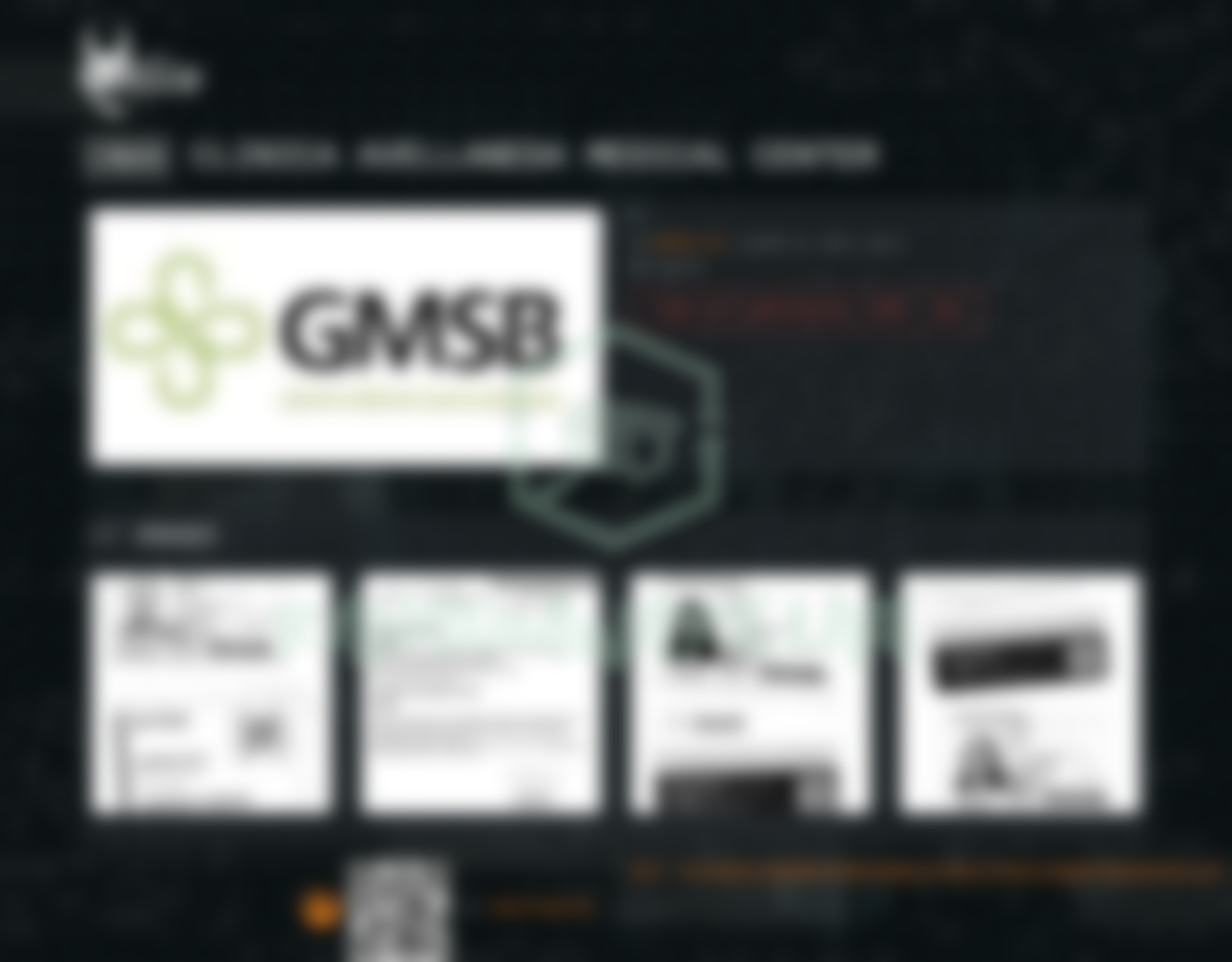
Screenshot captured at time of discovery. Image blurred to protect victim PII.
Claim Summary
The Qilin ransomware group has allegedly claimed responsibility for a cyberattack against Clinica Avellaneda Medical Center, a healthcare provider based in Argentina. The threat actor posted the organization’s name on their dark web leak site on May 16, 2026, asserting they have exfiltrated data from the victim’s network. As of this report, no specific data samples, volume details, or ransom demands have been published. The claim remains unverified, and Yazoul Security has not independently confirmed the breach.
Threat Actor Profile
Qilin is a ransomware-as-a-service (RaaS) operation first observed in mid-2024, known for targeting organizations across multiple sectors, including healthcare. The group typically employs double extortion tactics: encrypting systems while exfiltrating sensitive data to pressure victims into payment. Based on open-source intelligence, Qilin’s known toolset includes:
- Mimikatz – for credential dumping
- EDRSandBlast – to evade endpoint detection and response systems
- PCHunter and PowerTool – for process and kernel manipulation
- Nmap and Nping – for network reconnaissance
- EasyUpload.io and MEGA – for data exfiltration and hosting
The group’s total known victim count is currently undisclosed, making it difficult to assess their operational success rate. However, their use of sophisticated evasion tools suggests a moderate level of technical capability. Healthcare entities are frequently targeted by ransomware groups due to the critical nature of their services, which increases the likelihood of ransom payment.
Alleged Data Exposure
Qilin has not yet released any data samples or specified the types of information allegedly stolen from Clinica Avellaneda Medical Center. The data volume remains undisclosed. Based on the healthcare sector, potential exposure could include:
- Patient medical records and treatment histories
- Personally identifiable information (PII) such as names, addresses, and national identification numbers
- Insurance and billing data
- Employee records and internal communications
Without confirmed data samples, these remain speculative. Ransomware groups often exaggerate claims to pressure victims, and Qilin may release data incrementally if their demands are not met.
Potential Impact
If the claim is verified, Clinica Avellaneda Medical Center could face significant operational disruption, including:
- Patient care delays – encrypted systems may hinder access to medical records, appointment scheduling, and diagnostic tools
- Regulatory consequences – under Argentina’s Personal Data Protection Law (Law 25,326), a data breach involving patient information could result in fines and legal action
- Reputational damage – loss of patient trust and potential negative media coverage
- Financial costs – incident response, system restoration, and potential ransom payment
Healthcare organizations are particularly vulnerable due to the need for rapid system recovery, which attackers exploit.
What to Watch For
- Leak site updates – Qilin may release data samples or increase pressure on Clinica Avellaneda in the coming days
- Official statements – the medical center may issue a public acknowledgment or denial of the incident
- Indicators of compromise (IOCs) – Yazoul Security recommends monitoring for Qilin-associated tools such as Mimikatz and EDRSandBlast in network logs
- Detection guidance – if YARA rules become available, they will be published on our advisory page at
/intel/ransomware/
Organizations in the healthcare sector should review their backup and incident response plans, and ensure endpoint detection systems are configured to flag known Qilin tools.
Disclaimer
This report is based on unverified claims made by the Qilin ransomware group on their dark web leak site. Yazoul Security has not independently confirmed the breach, data exfiltration, or any ransom demands. Ransomware groups frequently exaggerate or fabricate claims to pressure victims. Readers should treat this information as intelligence only and await official confirmation from Clinica Avellaneda Medical Center or relevant authorities. No PII, credentials, download links, or access methods are included in this report.
Never miss a threat intelligence alert
Get real-time security alerts delivered to your preferred platform.
Related Claims
Imperial Healthcare Solutions — qilin
The Banyans Health and Wellness — qilin
Central Florida Cosmetic & Family Dentistry — qilin
Nova Medical Products — qilin